
Overview
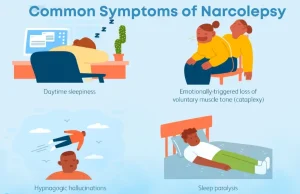
Narcolepsy is a chronic neurological sleep disorder that affects the brain’s ability to regulate sleep-wake cycles. People with narcolepsy experience excessive daytime sleepiness and sudden episodes of falling asleep during normal activities. The condition often begins in childhood or adolescence but may go undiagnosed for years. Narcolepsy is a lifelong disorder, but symptoms can be managed with appropriate treatment and lifestyle adjustments.
Symptoms
Symptoms of narcolepsy can vary in severity and may not all occur in every individual:
-
Excessive daytime sleepiness with an overwhelming urge to sleep
-
Sudden sleep attacks that can occur at inappropriate times
-
Cataplexy, which is sudden loss of muscle tone triggered by strong emotions
-
Sleep paralysis, involving temporary inability to move or speak when falling asleep or waking
-
Hallucinations during sleep onset or upon awakening
-
Fragmented nighttime sleep
These symptoms can significantly interfere with daily functioning.
Causes
Narcolepsy is caused by dysfunction in the brain areas that control sleep and wakefulness. In many cases, it is linked to low levels of hypocretin, a brain chemical that helps regulate alertness and REM sleep. This deficiency is often due to an autoimmune process that damages hypocretin-producing cells. Genetic factors and environmental triggers may also contribute.
Risk Factors
Factors associated with an increased risk of narcolepsy include:
-
Family history of narcolepsy
-
Onset during childhood or adolescence
-
Certain genetic markers
-
History of infections or immune system activation
Despite these factors, narcolepsy remains a rare condition.
Complications
Narcolepsy can lead to complications if not properly managed:
-
Impaired academic or work performance
-
Increased risk of accidents due to sudden sleep episodes
-
Social and emotional challenges
-
Depression or anxiety
-
Weight gain related to metabolic and activity changes
Early diagnosis and treatment help reduce these risks.
Prevention
There is no known way to prevent narcolepsy. However, strategies can help manage symptoms and improve quality of life:
-
Maintaining a regular sleep schedule
-
Taking scheduled daytime naps
-
Avoiding alcohol and sedative medications
-
Following prescribed treatment plans
-
Seeking support from healthcare providers and support groups
Ongoing medical care and lifestyle adjustments play a key role in managing narcolepsy effectively.
Advertisement
