
Overview
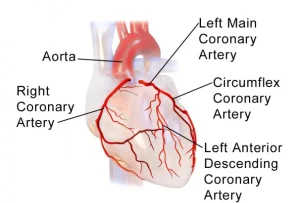
Acute coronary syndrome is a term used to describe a group of conditions caused by a sudden reduction in blood flow to the heart. These conditions include a heart attack, also called myocardial infarction, and unstable angina, which is a serious form of chest pain related to the heart. Both conditions occur when the heart muscle does not receive enough oxygen-rich blood.
When blood flow is severely reduced or completely blocked, heart muscle cells can become damaged or die, resulting in a heart attack. In unstable angina, blood flow is reduced but not enough to cause permanent damage to the heart muscle. However, unstable angina is a warning sign and significantly increases the risk of a future heart attack.
Acute coronary syndrome often causes intense chest pain or discomfort and is considered a medical emergency. Prompt diagnosis and treatment are critical. Treatment focuses on restoring blood flow to the heart, relieving symptoms, and preventing complications such as heart damage or life-threatening heart rhythm problems.
Symptoms
Symptoms of acute coronary syndrome typically begin suddenly and can vary from person to person. Chest pain or discomfort is the most common symptom, but not everyone experiences it in the same way.
Common symptoms include:
-
Chest pain or discomfort that may feel like pressure, squeezing, tightness, aching, or burning
-
Pain that spreads from the chest to the shoulders, arms, upper abdomen, back, neck, or jaw
-
Shortness of breath
-
Nausea or vomiting
-
Burning or pain in the upper abdomen that may feel like indigestion
-
Sudden, heavy sweating
-
Rapid or irregular heartbeat
-
Lightheadedness or dizziness
-
Fainting
-
Unusual or extreme fatigue
Symptoms may differ based on age, sex assigned at birth, and existing medical conditions. Women, older adults, and people with diabetes are more likely to have less typical symptoms, such as fatigue, shortness of breath, or nausea without noticeable chest pain.
Causes
Acute coronary syndrome is most commonly caused by the buildup of fatty deposits, known as plaque, inside the arteries that supply blood to the heart. Over time, plaque narrows these arteries and limits blood flow.
If a plaque ruptures, a blood clot can form at the site. This clot may partially or completely block blood flow to the heart muscle. When the heart muscle is deprived of oxygen, cells can become injured or die. Complete blockage usually leads to a heart attack, while partial blockage may cause unstable angina.
Other less common causes include sudden narrowing of a coronary artery, severe anemia, very low blood pressure, or conditions that increase the heart’s oxygen demand beyond what the blood supply can provide.
Risk factors
The risk factors for acute coronary syndrome are similar to those for other forms of heart disease. These include:
-
Increasing age
-
High blood pressure
-
High cholesterol levels
-
Smoking or use of tobacco products
-
Lack of regular physical activity
-
Unhealthy diet
-
Overweight or obesity
-
Diabetes
-
Personal or family history of angina, heart attack, or stroke
-
History of high blood pressure, diabetes, or preeclampsia during pregnancy
-
Early menopause
-
Previous or recent COVID-19 infection
Having multiple risk factors increases the likelihood of developing acute coronary syndrome.
Complications
Acute coronary syndrome can lead to serious complications, especially if treatment is delayed. Possible complications include:
-
Permanent damage to the heart muscle
-
Heart failure, when the heart cannot pump blood effectively
-
Abnormal heart rhythms that may be life-threatening
-
Cardiogenic shock, a condition where the heart suddenly cannot supply enough blood to the body
-
Recurrent chest pain or repeat heart attacks
-
Increased risk of stroke
-
Sudden cardiac death
The severity of complications often depends on how quickly blood flow is restored and how much of the heart muscle is affected.
Prevention
Preventing acute coronary syndrome focuses on reducing risk factors and maintaining heart health. Key preventive steps include:
-
Avoiding smoking and tobacco use
-
Eating a heart-healthy diet rich in fruits, vegetables, whole grains, and lean proteins
-
Limiting saturated fats, trans fats, salt, and added sugars
-
Engaging in regular physical activity, such as at least 30 minutes of moderate exercise on most days
-
Maintaining a healthy weight
-
Managing blood pressure, cholesterol, and blood sugar levels
-
Reducing stress and getting adequate sleep
-
Following medical advice and taking prescribed medications as directed
Regular health checkups can help identify and manage risk factors early, reducing the chance of developing acute coronary syndrome or its complications.
Advertisement
