
Overview
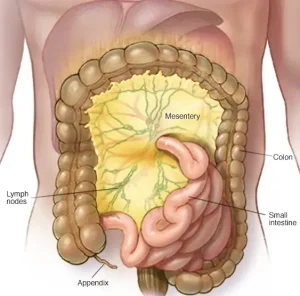
Mesenteric lymphadenitis is a condition characterized by inflammation of the lymph nodes in the mesentery, the tissue that connects the intestines to the abdominal wall. It most commonly affects children and adolescents and often follows a viral or bacterial infection. The condition can cause abdominal pain that may mimic appendicitis, but it is usually less serious and often resolves on its own.
Symptoms
Symptoms of mesenteric lymphadenitis can vary in intensity and often develop after a recent infection.
Common symptoms may include
-
Abdominal pain, usually in the lower right side
-
Tenderness in the abdomen
-
Fever
-
Nausea and vomiting
-
Diarrhea
-
Loss of appetite
-
General feeling of illness or fatigue
Causes
Mesenteric lymphadenitis occurs when infections trigger an immune response, leading to swollen lymph nodes in the abdomen.
Common causes include
-
Viral infections of the gastrointestinal or respiratory tract
-
Bacterial infections such as Yersinia species
-
Infections following a cold or flu-like illness
-
Inflammatory conditions affecting the intestines
Risk Factors
Certain factors increase the likelihood of developing mesenteric lymphadenitis.
Key risk factors include
-
Children and adolescents
-
Recent viral or bacterial infections
-
Exposure to contaminated food or water
-
Weakened immune system
Complications
Mesenteric lymphadenitis is usually mild, but complications can occur in some cases.
Possible complications include
-
Dehydration due to vomiting or diarrhea
-
Abscess formation in severe bacterial infections
-
Persistent abdominal pain
-
Misdiagnosis leading to unnecessary surgical procedures
Prevention
While mesenteric lymphadenitis cannot always be prevented, reducing the risk of infections may help.
Preventive measures may include
-
Practicing good hand hygiene
-
Consuming properly cooked and hygienic food
-
Drinking clean, safe water
-
Seeking timely treatment for infections
-
Encouraging children to maintain healthy hygiene habits
Most cases of mesenteric lymphadenitis improve with supportive care, and early medical evaluation helps rule out more serious causes of abdominal pain.
Advertisement
