
Overview
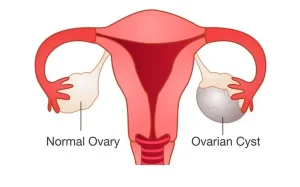
Adnexal tumors and masses are growths that develop in the organs and tissues located near the uterus. These growths form from cells in the ovaries, fallopian tubes, or the connective tissue that supports these structures. Most adnexal tumors and masses are not cancerous, but some can be malignant.
The ovaries are part of the female reproductive system and are located on each side of the uterus. They release eggs, known as ova, and produce the hormones estrogen and progesterone. The fallopian tubes connect the ovaries to the uterus and allow eggs to travel toward the uterus. Surrounding these organs is connective tissue that provides structure and support.
Adnexal tumors and masses are often discovered during routine pelvic exams or imaging tests done for other reasons. Diagnosis usually involves a physical examination, imaging studies, and sometimes blood tests. Treatment depends on factors such as the size of the mass, symptoms, age, and whether cancer is suspected.
Symptoms
Many adnexal tumors and masses cause no symptoms and may go unnoticed for a long time. When symptoms do occur, they can vary based on the cause and size of the mass.
Symptoms may include:
-
Pain in the pelvis or abdomen, including more severe menstrual cramps or pain during sex
-
A feeling of fullness, pressure, or heaviness in the pelvis or abdomen
-
Feeling full quickly while eating
-
Nausea or vomiting
-
Constipation or bloating
-
Frequent urination or difficulty emptying the bladder
-
Vaginal bleeding that is unusual or occurs outside of regular periods
-
Fever
When to see a doctor
Make an appointment with a healthcare professional if you notice ongoing or worsening symptoms that concern you.
Seek emergency medical care right away if you experience:
-
Severe pelvic or abdominal pain
-
Sudden onset of pelvic or abdominal pain
-
Vaginal bleeding during the first three months of pregnancy
Causes
There are many possible causes of adnexal tumors and masses. Some causes are common and usually not serious, while others may require urgent care.
Common causes include:
-
Cysts, which form when fluid collects in or around the ovaries or fallopian tubes
-
Endometriosis, a condition where tissue similar to the uterine lining grows outside the uterus
-
Ectopic pregnancy, which occurs when a fertilized egg implants outside the uterus, most often in a fallopian tube
Other conditions that may lead to adnexal tumors and masses include:
-
Fibrosis, where connective tissue becomes thickened and scarred
-
Hydrosalpinx, a blockage of a fallopian tube caused by fluid buildup
-
Infection that leads to pus-filled masses called abscesses
-
Ovarian torsion, which happens when an ovary twists out of its normal position
-
Cancer of the ovaries, fallopian tubes, or surrounding tissues
Risk factors
Many different factors can increase the likelihood of developing adnexal tumors and masses. Some factors are especially important when considering the risk of cancer.
Risk factors include:
-
Menopause, as adnexal masses found after menopause are more likely to be cancerous
-
Use of hormone-based infertility treatments, which may raise cancer risk
-
Use of hormonal birth control, which lowers the risk of a cancerous adnexal mass
-
Family history of breast, ovarian, or fallopian tube cancer
-
Inherited genetic changes that increase cancer risk
-
Cigarette smoking, which raises the risk of certain adnexal cancers
Complications
Complications depend on the underlying cause of the adnexal tumor or mass. Possible complications include pain, infection, bleeding, or twisting of the ovary, which can cut off blood supply and require emergency treatment.
Cancerous adnexal tumors may spread to other parts of the body if not diagnosed and treated early. Large masses can also press on nearby organs, causing bowel or bladder problems.
Prevention
There is no guaranteed way to prevent adnexal tumors and masses. However, some steps may help reduce certain risks:
-
Schedule regular pelvic exams to help detect changes early
-
Talk with a healthcare professional about family history of reproductive cancers
-
Avoid smoking, as it increases cancer risk
-
Seek medical care promptly for pelvic pain, unusual bleeding, or other concerning symptoms
Early evaluation and appropriate follow-up care can help manage adnexal tumors and masses effectively and reduce the risk of complications.
Advertisement
