
Overview
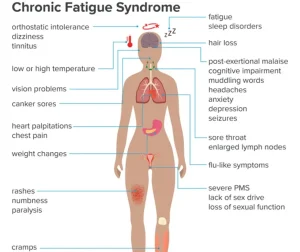
Diagnosis
There’s no single test to confirm a diagnosis of myalgic encephalomyelitis/chronic fatigue syndrome (ME/CFS). The symptoms often overlap with other health problems, making diagnosis challenging.
Possible causes and conditions that may mimic ME/CFS include:
-
Sleep disorders: Fatigue can result from issues such as obstructive sleep apnea, restless legs syndrome, or insomnia. A sleep study can help identify these conditions.
-
Other medical problems: Conditions like anemia, diabetes, and hypothyroidism can cause fatigue. Lab tests can help detect these underlying causes.
-
Mental health issues: Fatigue is also a symptom of mental health conditions such as depression or anxiety. A mental health professional can help determine if these are contributing factors.
People with ME/CFS often have overlapping conditions such as sleep disorders, irritable bowel syndrome, or fibromyalgia. Because symptoms can be so similar, some researchers believe ME/CFS and fibromyalgia may represent different aspects of the same illness.
Diagnostic criteria
According to the United States Institute of Medicine, fatigue related to ME/CFS must meet the following characteristics:
-
Severe enough to interfere with daily activities and responsibilities
-
Of new or definite onset
-
Not significantly improved by rest
-
Worsened by physical, mental, or emotional exertion
To confirm a diagnosis, a person must also experience at least one of the following symptoms:
-
Difficulty with memory, focus, or concentration
-
Dizziness that worsens when moving from lying down or sitting to standing
These symptoms should persist for at least six months and be present at moderate to severe intensity at least half the time.
Treatment
There is no known cure for ME/CFS, and treatment focuses on managing symptoms. Care is usually aimed at addressing the most disruptive or disabling symptoms first.
Medications
Certain medications may help improve specific symptoms associated with ME/CFS:
-
Pain: If over-the-counter options like ibuprofen or naproxen sodium do not provide relief, prescription medicines sometimes used for fibromyalgia may help, such as pregabalin, duloxetine, amitriptyline, or gabapentin.
-
Orthostatic intolerance: Some individuals, particularly adolescents, experience dizziness or nausea when standing or sitting upright. Medications that regulate blood pressure or heart rhythm may help manage these symptoms.
-
Depression: Treating depression can improve overall well-being and coping ability. Low doses of some antidepressants may also aid sleep and relieve pain.
Pacing for post-exertional malaise
Post-exertional malaise refers to the worsening of symptoms after physical, mental, or emotional effort. It usually develops within 12 to 24 hours of the activity and can last for days or weeks.
People with ME/CFS often need to balance activity and rest carefully. The goal of pacing is to minimize post-exertional malaise rather than return to pre-illness activity levels. Keeping a daily diary of activities and symptoms can help identify limits and patterns that trigger flare-ups.
Addressing sleep problems
Poor sleep can worsen other symptoms. Your healthcare provider may recommend improving sleep hygiene, such as limiting caffeine and maintaining a consistent bedtime routine. If sleep apnea is present, treatment with a continuous positive airway pressure (CPAP) device can improve sleep quality and overall health.
Advertisement
