
Overview
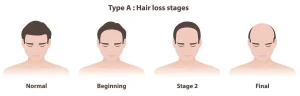
Hair loss, also known as alopecia, is a common condition that involves partial or complete loss of hair from the scalp or other parts of the body. It can occur temporarily or permanently and may affect people of all ages and genders. Hair loss can result from genetic factors, medical conditions, hormonal changes, medications, or lifestyle influences. While often not medically serious, hair loss can significantly affect self-esteem and quality of life.
Symptoms
The pattern and severity of hair loss vary depending on the underlying cause. Common symptoms include:
-
Gradual thinning of hair on the scalp
-
Receding hairline or widening part
-
Sudden or patchy hair loss
-
Excessive hair shedding during washing or brushing
-
Circular or patchy bald spots
-
Thinning of eyebrows, eyelashes, or body hair
-
Scalp itching, redness, or scaling in some cases
Causes
Hair loss can develop due to multiple factors affecting hair growth cycles or hair follicles. Common causes include:
-
Genetic predisposition such as male-pattern or female-pattern hair loss
-
Hormonal changes related to pregnancy, menopause, or thyroid disorders
-
Medical conditions including autoimmune diseases or scalp infections
-
Physical or emotional stress
-
Nutritional deficiencies, especially iron or protein deficiency
-
Certain medications such as chemotherapy drugs or blood thinners
-
Hairstyling practices that pull on hair excessively
Risk Factors
Several factors may increase the risk of experiencing hair loss, including:
-
Family history of hair loss
-
Aging
-
Hormonal imbalances
-
Chronic illness or recent major illness
-
Poor nutrition
-
High stress levels
Complications
Hair loss itself does not usually cause physical health problems, but it may lead to emotional or social challenges. Possible complications include:
-
Reduced self-confidence or self-esteem
-
Anxiety or depression
-
Increased sensitivity of the scalp to sun or cold
-
Underlying untreated medical conditions if hair loss is a symptom
Prevention
Not all types of hair loss can be prevented, but certain measures may help reduce risk or slow progression:
-
Maintaining a balanced diet rich in essential nutrients
-
Managing stress effectively
-
Avoiding tight hairstyles and harsh hair treatments
-
Using gentle hair care products
-
Treating underlying medical or hormonal conditions
-
Seeking early medical advice for sudden or severe hair loss
Early evaluation can help identify the cause of hair loss and guide appropriate management options.
Advertisement
