
Overview
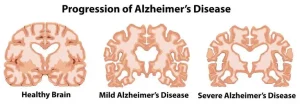
Alzheimer’s disease is the most common cause of dementia. It is a progressive neurological condition that begins with abnormal changes in the brain, including the buildup of proteins called amyloid plaques and neurofibrillary tangles. These changes damage brain cells over time, leading to cell death and gradual shrinking of the brain.
Globally, Alzheimer’s disease accounts for about 60% to 70% of all dementia cases. In the United States alone, millions of people aged 65 and older are living with the disease, with the majority being over the age of 75.
Early symptoms often include difficulty remembering recent events or conversations. As the disease progresses, memory loss worsens and thinking, reasoning, and daily functioning become increasingly affected. In advanced stages, Alzheimer’s disease can interfere with basic bodily functions, leading to serious complications that may be life-threatening.
Although there is no cure, treatments may help manage symptoms or slow cognitive decline. Support programs and caregiving resources play a crucial role in improving quality of life for both patients and caregivers.
Symptoms
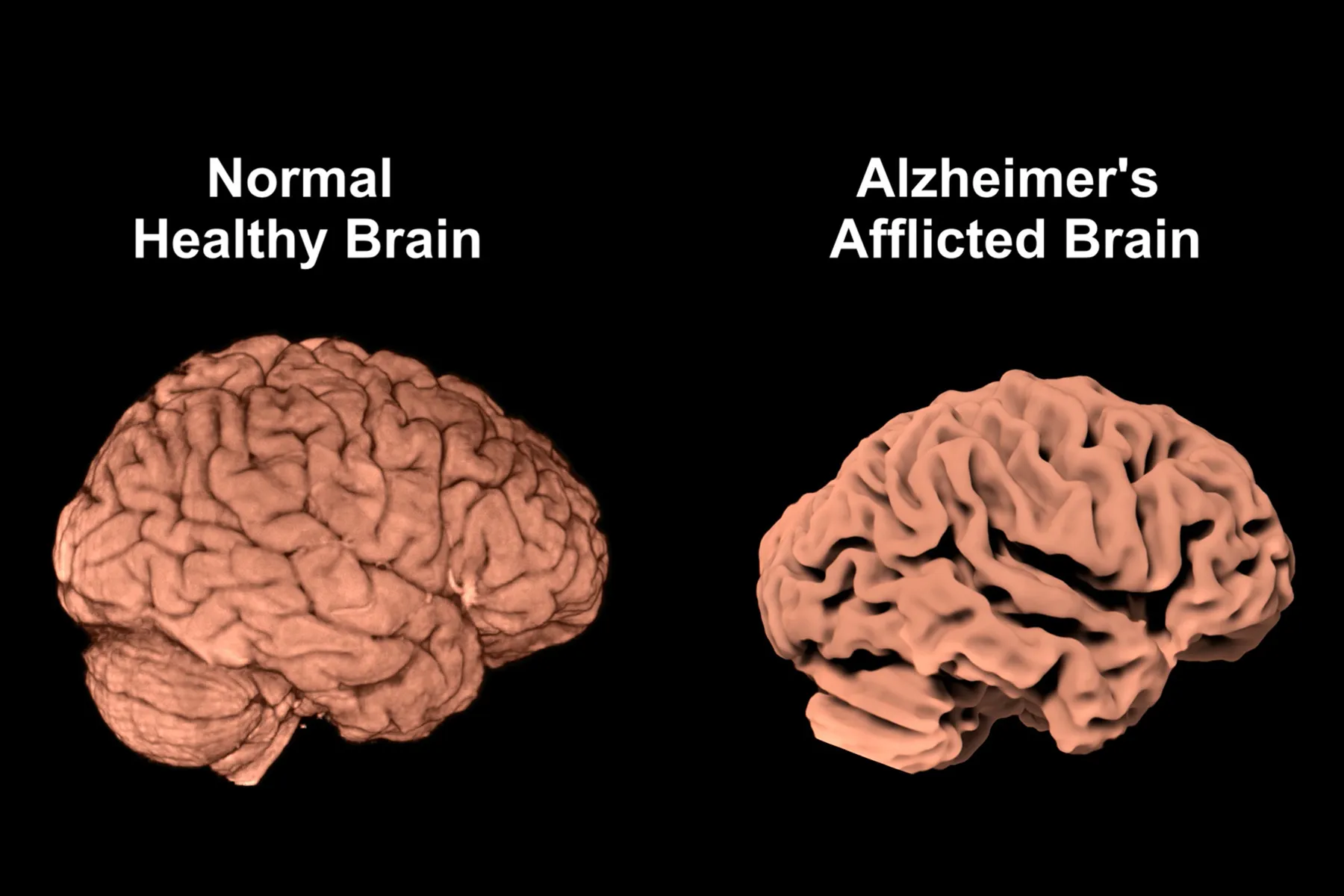
Memory loss is the hallmark symptom of Alzheimer’s disease. While occasional forgetfulness is common with aging, memory loss associated with Alzheimer’s is persistent and progressively worsens over time.
Common symptoms include:
-
Repeating questions or statements
-
Forgetting recent conversations, appointments, or events
-
Misplacing items and being unable to retrace steps
-
Getting lost in familiar places
-
Difficulty recognizing family members or everyday objects
-
Trouble finding words or following conversations
As the disease advances, additional symptoms appear.
Thinking and reasoning difficulties may include problems concentrating, managing numbers, handling finances, or understanding abstract concepts.
Judgment and decision-making skills decline, leading to poor choices in social situations, difficulty responding to everyday problems, or inappropriate clothing for the weather.
Planning and performing familiar tasks becomes challenging. Activities that involve multiple steps, such as cooking or dressing, may no longer be manageable.
Changes in personality and behavior can occur, including:
-
Depression
-
Social withdrawal
-
Mood swings
-
Suspicion or distrust of others
-
Anger or aggression
-
Sleep disturbances
-
Wandering
-
Loss of inhibitions
-
Delusions
Despite significant cognitive decline, some abilities may remain intact for longer periods. These preserved skills can include reading, listening to music, singing, storytelling, drawing, or engaging in creative activities.
When to see a doctor
Several medical conditions can cause memory loss or dementia-like symptoms, some of which are treatable. If you notice ongoing memory problems or changes in thinking skills, consult a healthcare professional.
If you are concerned about a family member or friend, consider attending the medical appointment together to discuss observed changes and next steps.
Causes
The exact cause of Alzheimer’s disease is not fully understood. At a basic level, brain proteins fail to function normally, disrupting communication between neurons and triggering a chain of events that leads to cell damage and death.
The disease usually begins years before symptoms appear, starting in brain regions responsible for memory and gradually spreading to other areas.
Researchers focus on two key proteins:
-
Amyloid plaques, formed when beta-amyloid fragments clump together and interfere with communication between brain cells
-
Neurofibrillary tangles, created when tau proteins change shape and disrupt the internal transport system of brain cells
In most cases, Alzheimer’s disease develops due to a combination of genetic, lifestyle, and environmental factors. Rare inherited genetic mutations account for fewer than 1% of cases and typically cause early-onset disease.
Risk factors
Several factors increase the risk of developing Alzheimer’s disease.
Age is the strongest known risk factor, with risk rising significantly after age 65.
Family history and genetics also play a role. Having a first-degree relative with Alzheimer’s increases risk, especially in people who carry the APOE e4 gene variant.
People with Down syndrome are at higher risk and often develop symptoms earlier in life.
Sex assigned at birth is another factor, as women are more likely to develop Alzheimer’s, partly due to longer life expectancy.
Mild cognitive impairment increases the likelihood of progression to Alzheimer’s-related dementia, particularly when memory is primarily affected.
Other risk factors include:
-
Traumatic brain injury
-
Long-term exposure to air pollution
-
Heavy alcohol use
-
Poor sleep quality or sleep apnea
-
Cardiovascular risk factors such as obesity, smoking, high blood pressure, high cholesterol, and poorly managed diabetes
-
Hearing loss and untreated vision loss
-
Low levels of education, lifelong learning, or social engagement
Complications
As Alzheimer’s disease progresses, cognitive and physical changes make it harder to manage other health conditions. Individuals may struggle to communicate pain, follow treatment plans, or recognize medication side effects.
In later stages, physical complications become more common due to impaired swallowing, balance, and bladder or bowel control. These complications may include:
-
Aspiration of food or liquids into the lungs
-
Pneumonia and other infections
-
Falls and fractures
-
Bedsores
-
Poor nutrition or dehydration
-
Digestive issues such as constipation or diarrhea
Prevention
Alzheimer’s disease cannot be fully prevented, but lifestyle changes may help reduce risk or delay onset.
Research suggests that protecting heart health may also protect brain health. Helpful strategies include:
-
Exercising regularly
-
Eating a diet rich in fruits, vegetables, whole grains, healthy fats, and fish, such as a Mediterranean-style diet
-
Managing high blood pressure, diabetes, and cholesterol levels
-
Quitting smoking
-
Limiting alcohol intake
Treating hearing and vision loss is also important, as both are linked to higher dementia risk. Using hearing aids and addressing vision problems may help preserve cognitive function.
Staying mentally and socially active throughout life is associated with better cognitive health. Activities such as reading, playing games, learning new skills, socializing, and engaging in creative hobbies may lower the risk of Alzheimer’s disease and support brain health over time.
Advertisement
