
Overview
Generalized Anxiety Disorder is a mental health condition characterized by excessive and persistent worry about everyday situations. The anxiety is often difficult to control and occurs more days than not for an extended period, even when there is little or no reason for concern. This ongoing worry can interfere with daily activities, work performance, relationships, and overall quality of life.
Symptoms
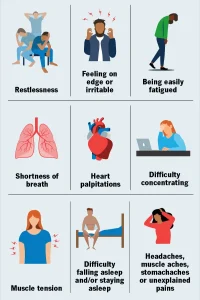
Symptoms of generalized anxiety disorder are both emotional and physical and may vary in intensity. Common symptoms include:
-
Constant or excessive worrying
-
Feeling restless or on edge
-
Difficulty concentrating or mind going blank
-
Irritability
-
Muscle tension
-
Fatigue
-
Sleep disturbances such as difficulty falling or staying asleep
-
Headaches or stomach discomfort
Symptoms often persist for months and may fluctuate over time.
Causes
The exact cause of generalized anxiety disorder is not fully understood and is believed to involve a combination of factors. Common contributing factors include:
-
Imbalances in brain chemicals that regulate mood
-
Genetic predisposition
-
Chronic stress or traumatic experiences
-
Personality traits such as perfectionism or overthinking
-
Ongoing health problems
These factors can increase vulnerability to anxiety disorders.
Risk Factors
Several factors may increase the risk of developing generalized anxiety disorder, including:
-
Family history of anxiety or other mental health disorders
-
Exposure to prolonged stress
-
Childhood adversity or trauma
-
Coexisting mental health conditions such as depression
-
Female sex, with slightly higher prevalence
Complications
If left untreated, generalized anxiety disorder can lead to significant complications. Possible complications include:
-
Depression or other anxiety disorders
-
Substance misuse
-
Impaired work or academic performance
-
Relationship difficulties
-
Reduced quality of life
-
Increased risk of physical health problems
Early treatment can help reduce the impact of these complications.
Prevention
Generalized anxiety disorder cannot always be prevented, but certain strategies may help reduce risk or severity:
-
Managing stress through relaxation techniques
-
Maintaining regular physical activity
-
Getting adequate sleep
-
Seeking support during stressful life events
-
Early mental health evaluation for persistent anxiety symptoms
Timely recognition and appropriate care can help individuals manage anxiety effectively and maintain emotional well-being.
Advertisement
