
Overview
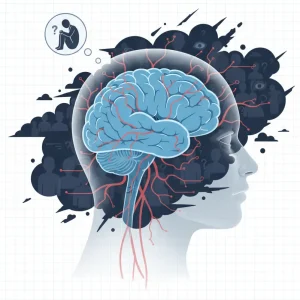
Social anxiety disorder is a mental health condition characterized by an intense and persistent fear of social situations where a person may be judged, embarrassed, or scrutinized by others. This fear goes beyond normal shyness and can significantly interfere with daily activities, work, school, and relationships. The condition often begins in adolescence and may continue into adulthood if not addressed.
Symptoms
Symptoms of social anxiety disorder can be emotional, physical, and behavioral. They may occur before, during, or after social interactions.
-
Intense fear of being watched, judged, or humiliated
-
Excessive worry about upcoming social situations
-
Avoidance of social interactions or performance situations
-
Rapid heartbeat, sweating, trembling, or blushing
-
Nausea, dizziness, or shortness of breath
-
Difficulty speaking, making eye contact, or eating in public
-
Strong fear that anxiety symptoms will be noticed by others
Causes
Social anxiety disorder develops due to a combination of factors. These may include differences in brain function related to fear response, genetic predisposition, and learned behaviors from past experiences. Negative or embarrassing social experiences, bullying, or overly critical environments during early life may contribute to the development of this condition.
Risk Factors
Several factors increase the likelihood of developing social anxiety disorder.
-
Family history of anxiety disorders
-
Shy or inhibited temperament in childhood
-
Negative social or performance experiences
-
Overprotective or critical parenting styles
-
Presence of other mental health conditions
-
Major life changes or stressful social situations
Complications
If left untreated, social anxiety disorder can have significant consequences. It may lead to social isolation, low self-esteem, and difficulty maintaining relationships. Academic or career performance may suffer due to avoidance of presentations, meetings, or group activities. The condition is also associated with an increased risk of depression, substance misuse, and reduced overall quality of life.
Prevention
There is no guaranteed way to prevent social anxiety disorder, but early recognition and support can reduce its impact. Encouraging positive social experiences, building coping skills, and addressing anxiety symptoms early may help. Seeking professional help when fear or avoidance interferes with daily life supports better long-term outcomes and emotional well-being.
Request an appointment
Advertisement
