
Overview
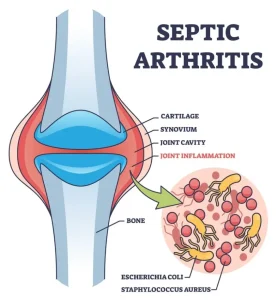
Septic arthritis is a serious joint infection caused by microorganisms, most commonly bacteria. It leads to inflammation within a joint, resulting in pain, swelling, and reduced movement. The condition can develop rapidly and may cause permanent joint damage if not treated promptly. Septic arthritis can affect people of any age, but it is more common in older adults, young children, and individuals with weakened immune systems. Early diagnosis and treatment are essential to preserve joint function and prevent complications.
Symptoms
Symptoms of septic arthritis usually appear suddenly and worsen quickly. Common signs include severe joint pain that increases with movement, swelling of the affected joint, and warmth or redness over the joint area. Many people also experience fever, chills, and general fatigue. In children, symptoms may include irritability, difficulty moving the affected limb, or refusal to bear weight.
Causes
Septic arthritis occurs when microorganisms enter a joint and cause infection. This can happen through the bloodstream, direct injury, surgery, or injections into the joint. The most frequent cause is bacterial infection, though viruses and fungi can also be responsible in some cases. Joints such as the knee, hip, shoulder, and wrist are commonly affected.
Risk Factors
Several factors increase the likelihood of developing septic arthritis.
-
Existing joint problems such as osteoarthritis or rheumatoid arthritis
-
Recent joint surgery or joint injections
-
Weakened immune system due to diabetes, chronic illness, or medications
-
Skin infections or open wounds near a joint
-
Older age or very young age
-
Use of intravenous drugs
Complications
If not treated quickly, septic arthritis can lead to serious complications. These may include permanent damage to the cartilage and bone within the joint, leading to chronic pain and reduced mobility. In severe cases, the infection can spread to other parts of the body, causing bloodstream infection or sepsis, which can be life-threatening.
Prevention
Preventing septic arthritis focuses on reducing the risk of infection and protecting joint health. Prompt treatment of skin infections and wounds helps prevent bacteria from entering the bloodstream. Maintaining good hygiene, especially during medical procedures involving joints, is important. People with chronic joint conditions or weakened immunity should have regular medical follow-ups and seek immediate medical attention if they develop sudden joint pain, swelling, or fever.
Advertisement
