
Overview
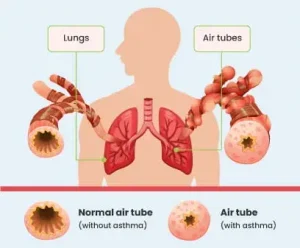
Asthma is a long-term condition in which the airways of the lungs become inflamed, narrow and swollen, and may produce extra mucus. These changes make breathing difficult and can lead to coughing, wheezing and shortness of breath.
For some people, asthma causes only mild and occasional symptoms. For others, it can be a serious condition that interferes with daily activities and may lead to severe, life-threatening asthma attacks.
Asthma has no cure, but its symptoms can usually be controlled with proper treatment and ongoing care. Because asthma symptoms and severity can change over time, regular follow-up with a healthcare professional is important to adjust treatment as needed and maintain good control.
Symptoms
Asthma symptoms vary widely from person to person. Some people experience symptoms only occasionally, while others may have persistent symptoms.
Common asthma signs and symptoms include:
-
Shortness of breath
-
Chest tightness or chest pain
-
Wheezing when breathing out, which is especially common in children
-
Trouble sleeping due to coughing, wheezing or shortness of breath
-
Coughing or wheezing episodes that worsen with respiratory infections such as colds or flu
Signs that asthma may be getting worse include:
-
More frequent or bothersome symptoms
-
Increasing difficulty breathing, often measured with a peak flow meter
-
Needing to use a quick-relief inhaler more often than usual
For some people, asthma symptoms occur or worsen in specific situations:
-
Exercise-induced asthma, often worse in cold or dry air
-
Occupational asthma caused by exposure to workplace irritants such as fumes, gases or dust
-
Allergy-induced asthma triggered by substances like pollen, mold spores, pet dander or cockroach debris
When to see a doctor
Seek emergency medical care if you experience severe asthma symptoms that worsen quickly or do not improve after using a quick-relief inhaler. Warning signs of an asthma emergency include rapidly worsening shortness of breath, severe wheezing and difficulty breathing during minimal activity.
Contact your healthcare professional if you suspect you have asthma, especially if you have frequent coughing or wheezing that lasts more than a few days. Early treatment can help prevent long-term lung damage.
If you have already been diagnosed with asthma, regular follow-up visits are important to monitor control and adjust treatment. Contact your doctor if your symptoms worsen, your medications are less effective or you need to use your quick-relief inhaler more often than prescribed.
Causes
The exact cause of asthma is not fully understood. It is likely the result of a combination of genetic and environmental factors. Some people may inherit a tendency to develop asthma, which is then triggered by environmental exposures.
Asthma symptoms are often brought on by exposure to specific triggers. These triggers vary from person to person and may include:
-
Airborne allergens such as pollen, dust mites, mold spores, pet dander or cockroach waste
-
Respiratory infections like the common cold
-
Physical activity
-
Cold air
-
Air pollution and tobacco smoke
-
Certain medications, including beta blockers, aspirin and some anti-inflammatory drugs
-
Strong emotions and stress
-
Sulfites and preservatives found in some foods and beverages
-
Gastroesophageal reflux disease, where stomach acid flows back into the throat
Risk factors
Several factors may increase the likelihood of developing asthma, including:
-
Having a close family member with asthma
-
Having other allergic conditions, such as eczema or hay fever
-
Being overweight
-
Smoking or exposure to secondhand smoke
-
Long-term exposure to air pollution or exhaust fumes
-
Workplace exposure to chemical irritants or dust
Complications
When asthma is not well controlled, it can lead to complications that affect quality of life and overall health. These may include:
-
Sleep disturbances and reduced ability to work or exercise
-
Missed days of school or work due to asthma flare-ups
-
Permanent narrowing of the airways, which can limit breathing
-
Emergency room visits or hospital stays due to severe asthma attacks
-
Side effects from long-term use of certain asthma medications
Proper treatment and regular monitoring greatly reduce the risk of both short-term and long-term complications.
Prevention
There is no known way to prevent asthma from developing. However, asthma attacks and symptom flare-ups can often be prevented with a well-managed care plan.
Steps that may help reduce asthma symptoms include:
-
Following a personalized asthma action plan developed with your healthcare professional
-
Taking prescribed medications exactly as directed
-
Identifying and avoiding known asthma triggers
-
Getting vaccinated against influenza and pneumonia to reduce respiratory infections
-
Monitoring breathing regularly, including checking peak flow readings at home
-
Acting early when symptoms begin to worsen to prevent severe attacks
-
Avoiding smoking and exposure to secondhand smoke
Consistent treatment, awareness of triggers and regular communication with a healthcare professional can help keep asthma under control and improve daily quality of life.
Request an appointment
Advertisement
