
Overview
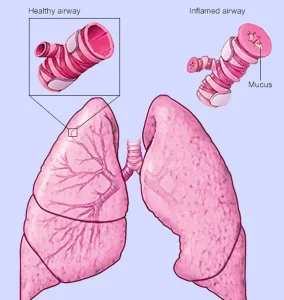
Occupational asthma is a type of asthma that is caused or worsened by exposure to substances in the workplace. It occurs when inhaling certain chemicals, dusts, fumes, or biological agents triggers airway inflammation and narrowing. Symptoms may improve away from work and worsen during working hours, making early recognition and intervention important to prevent long-term lung damage.
Symptoms
Symptoms of occupational asthma are similar to other forms of asthma and may vary in severity:
-
Wheezing or whistling sound while breathing
-
Shortness of breath
-
Chest tightness or pain
-
Persistent coughing, especially at night or early morning
-
Nasal congestion or runny nose
-
Eye irritation
-
Symptoms that worsen during or after work exposure and improve on days off
Causes
Occupational asthma is caused by inhaling substances that irritate or sensitize the airways. Common causes include:
-
Chemical fumes such as isocyanates and formaldehyde
-
Dusts from wood, grain, or flour
-
Animal proteins or laboratory allergens
-
Latex, especially in healthcare settings
-
Metal fumes or welding gases
-
Paints, resins, and adhesives
-
Cleaning agents and disinfectants
Risk Factors
Certain factors increase the likelihood of developing occupational asthma:
-
Working in high-risk industries such as manufacturing, healthcare, farming, or construction
-
Repeated exposure to airborne irritants or allergens
-
Personal or family history of asthma or allergies
-
Smoking, which increases airway sensitivity
-
Poor workplace ventilation
-
Long-term exposure without protective equipment
Complications
If exposure continues without proper management, occupational asthma can lead to:
-
Persistent or chronic asthma symptoms
-
Reduced lung function
-
Increased frequency of asthma attacks
-
Absenteeism or inability to continue certain jobs
-
Reduced quality of life
-
Psychological stress related to work limitations
Prevention
Preventive measures focus on reducing workplace exposure and protecting respiratory health:
-
Identifying and controlling hazardous substances at work
-
Using appropriate personal protective equipment
-
Improving workplace ventilation
-
Following safety guidelines and training programs
-
Reporting symptoms early to occupational health services
-
Regular medical monitoring for workers in high-risk environments
Request an appointment
Advertisement
