
Overview
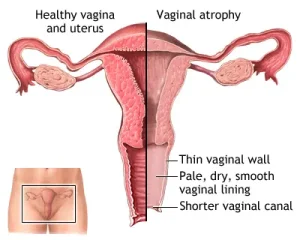
Vaginal atrophy, also known as atrophic vaginitis or genitourinary syndrome of menopause (GSM), is a condition caused by thinning, drying, and inflammation of the vaginal walls due to a decrease in estrogen levels. It most commonly affects postmenopausal individuals but can also occur during breastfeeding or after medical treatments that reduce estrogen.
Lower estrogen levels reduce blood flow and elasticity in vaginal tissues, leading to discomfort and urinary symptoms. Vaginal atrophy is common and treatable, and early recognition can significantly improve comfort, sexual health, and quality of life.
Symptoms
Symptoms of vaginal atrophy may develop gradually and vary in severity. Common symptoms include:
-
Vaginal dryness or irritation
-
Burning or itching in the vaginal area
-
Pain or discomfort during sexual intercourse
-
Light vaginal bleeding or spotting after intercourse
-
Urinary symptoms such as urgency, burning during urination, or recurrent urinary tract infections
-
Vaginal discharge that may be thin or watery
Causes
Vaginal atrophy occurs primarily due to reduced estrogen levels, which affect the health and thickness of vaginal tissues. Estrogen plays a key role in maintaining moisture, elasticity, and normal acidity of the vagina.
Common causes include:
-
Natural menopause
-
Surgical removal of the ovaries
-
Breastfeeding
-
Cancer treatments such as chemotherapy or radiation
-
Hormonal therapies that lower estrogen levels
Risk Factors
Certain factors increase the likelihood of developing vaginal atrophy, including:
-
Postmenopausal status
-
Early or surgical menopause
-
Smoking, which reduces blood flow to vaginal tissues
-
Lack of sexual activity, which may reduce vaginal elasticity
-
Use of medications that affect estrogen levels
Complications
If left untreated, vaginal atrophy can lead to ongoing discomfort and additional health concerns:
-
Chronic pain during sexual activity
-
Increased risk of vaginal infections
-
Frequent urinary tract infections
-
Urinary incontinence or discomfort
-
Emotional distress, anxiety, or reduced sexual confidence
Prevention
While vaginal atrophy cannot always be prevented, certain measures may help reduce severity and delay onset:
-
Regular sexual activity to promote blood flow and tissue health
-
Avoiding smoking
-
Staying physically active
-
Using vaginal moisturizers to maintain hydration
-
Seeking early medical advice when symptoms begin to appear
Early diagnosis and appropriate treatment can effectively manage symptoms and help maintain vaginal and urinary health.
Advertisement
