
Overview
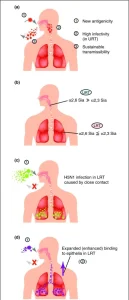
Bird flu, also known as avian influenza, is a viral infection that primarily affects birds but can sometimes spread to humans. It is caused by influenza A viruses, with certain strains such as H5N1 and H7N9 being more likely to infect people. Human infections are rare but can be serious when they occur.
Most human cases are linked to close contact with infected birds or contaminated environments. Bird flu does not usually spread easily from person to person, but outbreaks are closely monitored due to the potential risk of severe illness.
Symptoms
Symptoms of bird flu in humans can range from mild to severe and often develop within a few days of exposure.
Common symptoms include:
-
Fever
-
Cough
-
Sore throat
-
Muscle aches
-
Headache
-
Fatigue
More severe symptoms may include:
-
Shortness of breath
-
Chest pain
-
Pneumonia
-
Diarrhea, nausea, or vomiting
-
Eye redness or irritation
-
Respiratory failure in severe cases
Symptoms tend to worsen quickly in serious infections.
Causes
Bird flu is caused by avian influenza A viruses that circulate naturally among wild birds and poultry. Humans become infected through direct or indirect exposure.
Common causes include:
-
Close contact with infected birds, alive or dead
-
Exposure to bird droppings or contaminated surfaces
-
Handling or slaughtering poultry without protection
-
Visiting live bird markets
-
Inhaling virus particles in contaminated environments
Eating properly cooked poultry or eggs does not spread bird flu.
Risk factors
Certain situations increase the risk of bird flu infection in humans.
Risk factors include:
-
Working with poultry or birds
-
Living in areas with ongoing bird flu outbreaks
-
Visiting live poultry markets
-
Poor hygiene or lack of protective equipment when handling birds
-
Weakened immune system
Most cases occur in people with direct and repeated exposure to infected birds.
Complications
Bird flu can lead to serious and life-threatening complications, especially if treatment is delayed.
Possible complications include:
-
Severe pneumonia
-
Acute respiratory distress syndrome
-
Organ failure
-
Secondary bacterial infections
-
Sepsis
-
Death in severe cases
Early medical care improves survival and recovery outcomes.
Prevention
Preventing bird flu focuses on reducing exposure to infected birds and maintaining good hygiene.
Effective prevention measures include:
-
Avoiding contact with sick or dead birds
-
Staying away from live bird markets during outbreaks
-
Using protective equipment when handling poultry
-
Washing hands thoroughly after contact with birds or bird environments
-
Ensuring poultry and eggs are fully cooked before consumption
-
Following public health advisories in outbreak areas
Vaccination of poultry and rapid outbreak control play an important role in preventing the spread of bird flu to humans.
Request an appointment
Advertisement
