
Overview
Overview
Salmonella infection, also known as salmonellosis, is a common bacterial infection that affects the intestinal tract. It is caused by Salmonella bacteria, which typically spread through contaminated food or water. The infection most often leads to gastrointestinal symptoms and can range from mild to severe.
Salmonella infection is one of the most common causes of foodborne illness worldwide. While many healthy individuals recover without specific treatment, young children, older adults, and people with weakened immune systems may experience more serious illness.
Symptoms
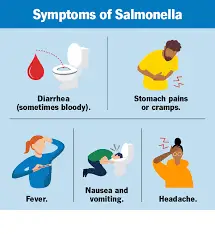
Symptoms usually develop within 6 hours to 6 days after exposure to the bacteria and can last 4 to 7 days.
Common symptoms include:
-
Diarrhea, which may be watery or sometimes bloody
-
Abdominal cramps
-
Fever
-
Nausea and vomiting
-
Headache
-
Chills
-
Muscle pain
In severe cases, the infection can spread beyond the intestines into the bloodstream, causing more serious complications that require immediate medical care.
Causes
Salmonella infection is caused by ingestion of food or water contaminated with Salmonella bacteria. Contamination can occur during food production, processing, or preparation.
Common sources include:
-
Raw or undercooked poultry, eggs, and meat
-
Unpasteurized milk or dairy products
-
Raw fruits and vegetables contaminated during handling
-
Contaminated drinking water
-
Contact with infected animals, especially reptiles and poultry
Poor kitchen hygiene and improper food storage also increase the risk of infection.
Risk Factors
Anyone can get a Salmonella infection, but certain factors increase the likelihood of illness:
-
Eating raw or undercooked animal products
-
Poor hand hygiene
-
Traveling to areas with inadequate sanitation
-
Weakened immune system due to illness or medications
-
Very young age or older adulthood
-
Use of antacids or medications that reduce stomach acid
Lower stomach acid levels can make it easier for bacteria to survive and reach the intestines.
Complications
Most people recover without complications, but in some cases, serious problems can develop.
Possible complications include:
-
Severe dehydration due to persistent diarrhea
-
Bacteremia, where bacteria enter the bloodstream
-
Infection of other organs such as bones, joints, or the brain lining
-
Reactive arthritis causing joint pain and swelling
-
Irritable bowel symptoms that persist after recovery
People at higher risk should seek medical attention if symptoms are severe or prolonged.
Prevention
Salmonella infection can often be prevented through proper food safety and hygiene practices.
Preventive measures include:
-
Wash hands thoroughly with soap and water before handling food and after using the restroom
-
Cook poultry, meat, and eggs thoroughly
-
Avoid consuming raw or unpasteurized dairy products
-
Wash fruits and vegetables before eating
-
Prevent cross-contamination by using separate cutting boards for raw meat and other foods
-
Refrigerate perishable foods promptly
-
Wash hands after handling pets, especially reptiles and birds
Practicing safe food handling and maintaining good hygiene significantly reduce the risk of Salmonella infection.
Advertisement
