
Overview
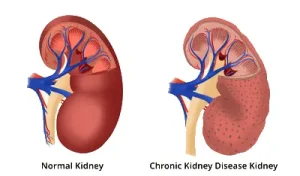
Chronic Kidney Disease (CKD) is a long-term condition in which the kidneys gradually lose their ability to filter waste, excess fluids, and toxins from the blood. This decline in kidney function occurs over months or years and can eventually lead to kidney failure if not properly managed.
The kidneys play a vital role in regulating blood pressure, electrolyte balance, red blood cell production, and bone health. Chronic Kidney Disease often progresses silently in its early stages, making early detection and ongoing care essential to slow disease progression and reduce complications.
Symptoms
Symptoms of Chronic Kidney Disease may not appear until significant kidney damage has occurred. As kidney function declines, symptoms become more noticeable.
Common symptoms include:
-
Persistent fatigue and weakness
-
Swelling of the ankles, feet, hands, or face
-
Changes in urination frequency or appearance
-
Shortness of breath due to fluid buildup
-
Nausea or vomiting
-
Loss of appetite
-
Muscle cramps, especially at night
-
Difficulty concentrating
-
Dry or itchy skin
Symptoms may vary depending on the stage of the disease.
Causes
Chronic Kidney Disease is most commonly caused by conditions that place long-term stress on the kidneys.
Major causes include:
-
Diabetes, which damages kidney blood vessels over time
-
High blood pressure that reduces kidney function
-
Chronic glomerulonephritis
-
Polycystic kidney disease
-
Prolonged urinary tract obstruction
-
Recurrent kidney infections
-
Long-term use of certain medications that affect kidney function
Often, multiple factors contribute to kidney damage.
Risk Factors
Certain factors increase the risk of developing Chronic Kidney Disease.
These include:
-
Diabetes or poorly controlled blood sugar levels
-
High blood pressure
-
Family history of kidney disease
-
Older age
-
Obesity
-
Smoking
-
Cardiovascular disease
-
Long-term use of pain-relieving medications
Early management of these risk factors can slow disease progression.
Complications
As Chronic Kidney Disease advances, it can lead to serious complications affecting multiple body systems.
Possible complications include:
-
Fluid retention causing swelling and breathing problems
-
Electrolyte imbalances, such as high potassium levels
-
Anemia due to reduced red blood cell production
-
Bone and mineral disorders
-
Cardiovascular disease
-
High blood pressure that becomes difficult to control
-
Kidney failure requiring dialysis or kidney transplant
Timely medical care is crucial to prevent or manage these complications.
Prevention
While not all cases of Chronic Kidney Disease can be prevented, certain steps can significantly reduce risk and slow progression.
Preventive measures include:
-
Maintaining healthy blood sugar and blood pressure levels
-
Following a balanced, kidney-friendly diet as advised by a healthcare provider
-
Staying physically active
-
Avoiding smoking and excessive alcohol use
-
Using medications responsibly and avoiding unnecessary painkillers
-
Staying well hydrated
-
Undergoing regular health checkups, especially for high-risk individuals
Early detection and consistent management play a key role in preserving kidney function and improving long-term outcomes.
Advertisement
