
Overview
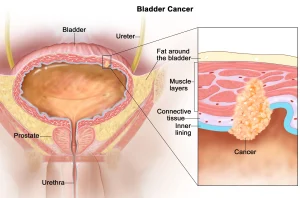
Bladder cancer is a type of cancer that begins in the cells of the bladder, the hollow organ in the lower abdomen that stores urine. Most bladder cancers start in the urothelial cells that line the inside of the bladder. The condition is more common in older adults and occurs more frequently in men, though women can also be affected.
Bladder cancer is often diagnosed at an early stage because it commonly causes noticeable urinary symptoms. When detected early, treatment is usually effective, but the cancer has a tendency to recur, making long-term follow-up important.
Symptoms
Symptoms of bladder cancer may vary depending on the stage of the disease. Common symptoms include:
-
Blood in the urine, which may appear pink, red, or cola-colored
-
Frequent urination
-
Pain or burning during urination
-
Feeling the need to urinate even when the bladder is not full
-
Lower back pain on one side
In advanced cases, symptoms may include pelvic pain, bone pain, weight loss, or fatigue.
Causes
Bladder cancer develops when bladder cells undergo genetic changes that cause them to grow uncontrollably. These abnormal cells form tumors that can invade nearby tissues or spread to other parts of the body.
Factors that may contribute to these cell changes include:
-
Long-term exposure to harmful chemicals
-
Tobacco smoke, which introduces cancer-causing substances into the urine
-
Chronic bladder irritation or infections
-
Previous cancer treatments involving radiation or certain chemotherapy drugs
Risk factors
Several factors increase the risk of developing bladder cancer, including:
-
Smoking
-
Increasing age
-
Male sex
-
Exposure to industrial chemicals used in dye, rubber, leather, or paint industries
-
Chronic bladder inflammation
-
Family history of bladder cancer
-
Previous history of bladder cancer
While these factors raise risk, bladder cancer can still occur in people without any known risk factors.
Complications
Bladder cancer can lead to complications, particularly if it progresses or recurs. Possible complications include:
-
Spread of cancer to nearby organs or distant parts of the body
-
Recurrent tumors requiring repeated treatments
-
Urinary obstruction
-
Reduced bladder function after surgery
Ongoing monitoring is often required to detect recurrence early.
Prevention
There is no guaranteed way to prevent bladder cancer, but certain measures may help reduce risk:
-
Avoiding smoking and tobacco products
-
Limiting exposure to harmful workplace chemicals
-
Drinking plenty of fluids to help flush toxins from the bladder
-
Following safety guidelines when working with chemicals
-
Maintaining regular medical checkups if at higher risk
Early attention to urinary symptoms and routine follow-up care can improve outcomes and support long-term bladder health.
Advertisement
