
Overview
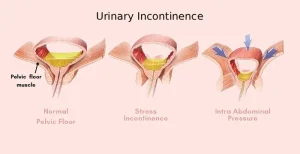
Urinary incontinence is the involuntary leakage of urine due to loss of bladder control. It can range from occasional minor leaks to frequent and severe urine loss that interferes with daily activities. Urinary incontinence affects people of all ages but is more common in older adults and women. The condition is not a normal part of aging and often results from problems with the bladder, pelvic floor muscles, or nerves involved in urination.
Symptoms
Symptoms vary based on the type and severity of urinary incontinence.
Common symptoms may include:
-
Leakage of urine during coughing, sneezing, laughing, or exercising
-
Sudden, strong urge to urinate followed by urine leakage
-
Frequent urination, including at night
-
Difficulty reaching the toilet in time
-
Continuous dribbling of urine
-
Feeling of incomplete bladder emptying
Symptoms may worsen with certain activities or medical conditions.
Causes
Urinary incontinence occurs when normal bladder control mechanisms are disrupted.
Possible causes include:
-
Weak pelvic floor muscles
-
Overactive bladder muscles
-
Nerve damage affecting bladder control
-
Hormonal changes, especially after menopause
-
Urinary tract infections
-
Prostate problems in men
-
Certain medications
-
Chronic constipation
The cause may be temporary or long-term depending on the underlying condition.
Risk Factors
Several factors increase the likelihood of developing urinary incontinence.
Risk factors include:
-
Increasing age
-
Pregnancy and childbirth
-
Menopause
-
Obesity
-
Chronic coughing
-
Neurological disorders such as stroke or multiple sclerosis
-
Prostate surgery in men
-
Diabetes
Complications
If left unmanaged, urinary incontinence can lead to physical and emotional complications.
Possible complications include:
-
Skin irritation, rashes, or infections
-
Recurrent urinary tract infections
-
Sleep disturbances
-
Reduced physical activity
-
Anxiety, embarrassment, or depression
-
Social isolation
Early management can significantly improve quality of life.
Prevention
Not all cases of urinary incontinence can be prevented, but certain steps may reduce risk or severity.
Preventive measures may include:
-
Maintaining a healthy body weight
-
Performing pelvic floor muscle exercises regularly
-
Avoiding bladder irritants such as caffeine and alcohol
-
Managing chronic cough and constipation
-
Staying physically active
-
Seeking early medical advice for urinary symptoms
Timely evaluation and lifestyle changes can help control symptoms and prevent complications.
Advertisement
