
Overview
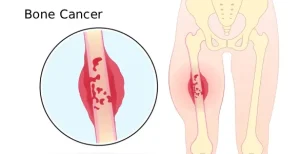
Bone cancer is a rare type of cancer that begins in the cells of a bone. It can develop in any bone in the body but most commonly affects the long bones of the arms and legs, as well as the pelvis. Bone cancer may be primary, meaning it starts in the bone, or secondary, meaning it spreads to the bone from another part of the body.
Primary bone cancers are uncommon and can occur at any age, depending on the specific type. Early diagnosis and treatment are important for improving outcomes and preserving bone function.
Symptoms
Symptoms of bone cancer may be mild at first and become more noticeable over time. Common symptoms include:
-
Persistent bone pain that may worsen at night or with activity
-
Swelling or tenderness near the affected area
-
A lump or mass over a bone
-
Reduced movement or stiffness of a nearby joint
-
Unexplained fractures caused by weakened bones
-
Fatigue or unintended weight loss in some cases
Symptoms can vary depending on the size and location of the tumor.
Causes
The exact cause of most bone cancers is not known. Bone cancer develops when cells in the bone grow uncontrollably and form a tumor. Genetic changes within bone cells are believed to play a role, though these changes are often not inherited.
Some bone cancers are associated with abnormal bone growth or repair processes. In many cases, no clear triggering factor is identified.
Risk Factors
Several factors may increase the risk of developing bone cancer. These include:
-
Certain inherited genetic conditions
-
Previous radiation therapy, especially at a young age
-
Paget disease of bone
-
Rapid bone growth during adolescence
-
Family history of bone cancer, in rare cases
Most people with these risk factors do not develop bone cancer.
Complications
Bone cancer can lead to a range of complications, particularly if it is advanced or aggressive. These may include:
-
Spread of cancer to other parts of the body
-
Chronic pain and reduced mobility
-
Bone weakening and fractures
-
Nerve compression causing numbness or weakness
-
Side effects related to treatment, such as fatigue or infection
Early and appropriate treatment can help reduce the risk of serious complications.
Prevention
There is no sure way to prevent bone cancer because the exact causes are not well understood. However, steps may help reduce risk or support early detection. Preventive considerations include:
-
Regular follow-up for individuals with known bone disorders
-
Monitoring for new or persistent bone pain
-
Limiting unnecessary exposure to radiation
-
Seeking medical evaluation for unexplained bone symptoms
Early recognition of symptoms and timely medical care are key to managing bone cancer effectively.
Advertisement
