
Overview
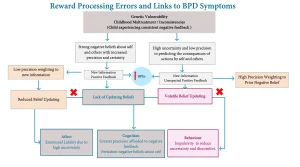
Borderline Personality Disorder is a mental health condition that affects the way a person thinks about themselves and others, leading to intense emotions, unstable relationships, and difficulty managing impulses. It often begins in early adulthood and can impact daily functioning, work, and social life. With proper treatment and support, many people experience significant improvement over time.
Symptoms
Symptoms of borderline personality disorder can vary in intensity and may come and go. Common features include emotional instability and difficulties in relationships.
• Intense fear of abandonment, whether real or imagined
• Unstable and intense personal relationships that shift between idealization and conflict
• Rapid changes in self-image, goals, or values
• Impulsive behaviors such as risky spending, substance use, or unsafe sex
• Recurrent suicidal thoughts or self-harming behaviors
• Extreme mood swings lasting hours to days
• Chronic feelings of emptiness
• Intense anger or difficulty controlling anger
• Temporary stress-related paranoia or dissociation
Causes
There is no single cause of borderline personality disorder. It is believed to result from a combination of factors.
• Genetic predisposition and family history of mental health conditions
• Brain structure and function differences related to emotion regulation and impulse control
• Traumatic life experiences, especially during childhood
• Emotional, physical, or sexual abuse
• Neglect or unstable family environments
Risk factors
Certain factors may increase the likelihood of developing borderline personality disorder.
• Family history of borderline personality disorder or other mental health conditions
• Childhood trauma or prolonged stress
• Unstable or invalidating caregiving relationships
• Early loss or separation from caregivers
Complications
If left untreated, borderline personality disorder can lead to serious emotional, social, and physical consequences.
• Frequent relationship conflicts and social isolation
• Difficulty maintaining employment or education
• Substance use disorders
• Eating disorders or other mental health conditions
• Legal or financial problems due to impulsive behavior
• Repeated self-harm or suicide attempts
Prevention
There is no guaranteed way to prevent borderline personality disorder, but early support can reduce severity and long-term impact.
• Early identification and treatment of emotional and behavioral problems
• Access to mental health care during childhood and adolescence
• Stable, supportive, and nurturing family environments
• Therapy for children exposed to trauma or chronic stress
• Education for parents and caregivers about emotional regulation and healthy attachment
Advertisement
