
Overview
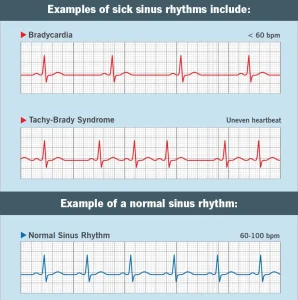
Sick sinus syndrome is a group of heart rhythm disorders caused by problems with the heart’s natural pacemaker, known as the sinus node. The sinus node controls the rate and rhythm of the heartbeat. When it does not function properly, the heart may beat too slowly, too fast, or irregularly. Sick sinus syndrome is more common in older adults and often develops gradually over time.
Symptoms
Symptoms may vary depending on the type and severity of the rhythm disturbance. Some people may have no symptoms initially.
-
Fatigue or low energy
-
Dizziness or lightheadedness
-
Fainting or near-fainting episodes
-
Shortness of breath, especially during activity
-
Chest discomfort
-
Confusion or difficulty concentrating
Symptoms may come and go as heart rhythms change.
Causes
Sick sinus syndrome is usually caused by age-related wear and tear of the sinus node and surrounding heart tissue. Scarring of the heart’s electrical pathways can interfere with normal signal generation and transmission. Other causes may include heart disease, previous heart surgery, or certain medications that affect heart rate.
Risk Factors
Several factors increase the risk of developing sick sinus syndrome.
-
Older age
-
History of heart disease or heart surgery
-
High blood pressure
-
Use of medications that slow the heart rate
-
Inflammatory or degenerative heart conditions
Complications
If untreated, sick sinus syndrome can lead to serious complications. These may include frequent fainting, increased risk of falls, and reduced ability to perform daily activities. Irregular heart rhythms can also increase the risk of blood clots, stroke, or heart failure in some individuals.
Prevention
There is no guaranteed way to prevent sick sinus syndrome, especially when it is related to aging. However, maintaining good heart health can help reduce risks. Managing blood pressure, controlling cholesterol levels, and following medical advice regarding heart medications are important. Regular checkups and prompt evaluation of symptoms such as dizziness or fainting help ensure early diagnosis and appropriate treatment.
Advertisement
