
Overview
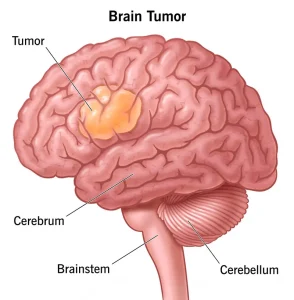
A brain tumor is an abnormal growth of cells within the brain or surrounding tissues. Brain tumors can be benign, meaning noncancerous, or malignant, meaning cancerous. They may originate in the brain or spread from other parts of the body. Brain tumors can affect brain function by increasing pressure within the skull or interfering with normal nerve activity. Early diagnosis and appropriate treatment are important for improving outcomes and quality of life.
Symptoms
Symptoms of a brain tumor depend on its size, type, growth rate, and location in the brain. Symptoms may develop gradually or appear suddenly.
• Persistent or worsening headaches
• Seizures, especially in individuals with no prior seizure history
• Nausea or vomiting, often worse in the morning
• Vision problems such as blurred or double vision
• Difficulty speaking or understanding language
• Weakness or numbness in the arms or legs
• Balance or coordination problems
• Memory difficulties or personality changes
Causes
The exact cause of most brain tumors is not known. They develop when brain cells grow and divide abnormally.
• Genetic mutations affecting cell growth and division
• Inherited genetic conditions in rare cases
• Exposure to high levels of ionizing radiation
• Spread of cancer from other organs in secondary brain tumors
Risk factors
Several factors may increase the risk of developing a brain tumor.
• Exposure to radiation, especially to the head during childhood
• Family history of brain tumors or genetic syndromes
• Age, as some types are more common in children or older adults
• History of cancer elsewhere in the body
• Certain inherited disorders affecting cell regulation
Complications
Brain tumors can cause significant complications due to their location and growth.
• Increased pressure inside the skull
• Brain swelling and inflammation
• Permanent neurological deficits
• Difficulty with speech, movement, or vision
• Seizures requiring long-term management
• Reduced independence and quality of life
Prevention
There is no proven way to prevent most brain tumors, but some general measures may reduce risk or support early detection.
• Avoid unnecessary exposure to radiation
• Use protective equipment when working with radiation sources
• Seek medical evaluation for persistent neurological symptoms
• Follow recommended cancer screening and follow-up if at risk
• Maintain overall health to support early diagnosis and treatment
Advertisement
