
Overview
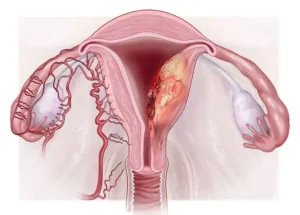
Endometrial cancer is a type of cancer that begins in the endometrium, the inner lining of the uterus. It is the most common cancer of the female reproductive system. This cancer is often detected early because it frequently causes noticeable symptoms, especially abnormal vaginal bleeding. Early diagnosis generally leads to effective treatment and favorable outcomes.
Symptoms
Symptoms of endometrial cancer often appear in the early stages, which helps in timely diagnosis. Common symptoms include:
-
Abnormal vaginal bleeding, especially after menopause
-
Heavy or irregular menstrual bleeding in premenopausal women
-
Pelvic pain or discomfort
-
Pain during intercourse
-
Unusual vaginal discharge that may be watery or blood-tinged
Any persistent or unusual bleeding should be evaluated by a healthcare provider.
Causes
The exact cause of endometrial cancer is not always clear, but it is strongly linked to hormonal imbalances, particularly excess estrogen without enough progesterone to balance it. Prolonged exposure to estrogen can cause the endometrial lining to thicken, increasing the risk of cancerous changes.
Risk Factors
Several factors can increase the likelihood of developing endometrial cancer:
-
Postmenopausal age
-
Obesity, which increases estrogen levels
-
Diabetes and metabolic syndrome
-
Early onset of menstruation or late menopause
-
Never having been pregnant
-
Polycystic ovary syndrome
-
Long-term use of estrogen-only hormone therapy
-
Family history of endometrial or colorectal cancer
Having one or more risk factors does not mean cancer will develop, but it does increase susceptibility.
Complications
If not diagnosed and treated early, endometrial cancer can lead to serious complications:
-
Spread of cancer to the ovaries, fallopian tubes, or lymph nodes
-
Invasion into nearby organs such as the bladder or rectum
-
Chronic pelvic pain
-
Infertility due to surgical removal of reproductive organs
-
Increased risk of recurrence in advanced stages
Early-stage treatment significantly reduces the risk of these complications.
Prevention
While endometrial cancer cannot always be prevented, certain measures can help lower the risk:
-
Maintaining a healthy body weight
-
Managing diabetes and hormonal disorders effectively
-
Using combined hormonal contraceptives under medical guidance
-
Regular gynecological checkups, especially after menopause
-
Reporting abnormal vaginal bleeding promptly
Awareness of symptoms and proactive health management play a key role in reducing the impact of endometrial cancer.
Advertisement
