
Overview
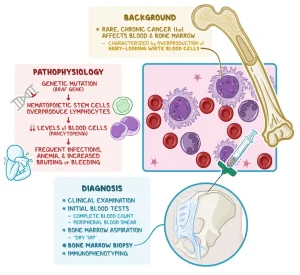
Hairy cell leukemia is a rare, slow-growing cancer of the blood and bone marrow that affects a type of white blood cell called B lymphocytes. The condition gets its name from the fine, hair-like projections seen on the surface of the abnormal cells under a microscope. Hairy cell leukemia typically progresses slowly and is most often diagnosed in middle-aged or older adults.
Symptoms
Symptoms of hairy cell leukemia often develop gradually and may be mild at first. Common symptoms include:
-
Persistent fatigue or weakness
-
Frequent or unusual infections
-
Easy bruising or bleeding
-
Pale skin due to anemia
-
Shortness of breath during routine activities
-
Abdominal discomfort or fullness caused by an enlarged spleen
-
Unexplained weight loss or fever
Causes
Hairy cell leukemia is caused by genetic changes within B lymphocytes that lead to uncontrolled cell growth and accumulation in the bone marrow and spleen. The exact cause of these genetic changes is not well understood, and the condition is not usually inherited.
Risk Factors
Certain factors are associated with an increased risk of developing hairy cell leukemia, including:
-
Middle age or older adulthood
-
Male sex
-
Exposure to certain environmental or occupational chemicals
-
Family history of blood cancers, though this is uncommon
Complications
If not properly treated, hairy cell leukemia can lead to several complications due to reduced normal blood cell production. Possible complications include:
-
Severe or recurrent infections
-
Anemia-related complications such as extreme fatigue
-
Increased bleeding due to low platelet counts
-
Enlargement or rupture of the spleen
-
Reduced ability to tolerate infections or illness
Prevention
There is no known way to prevent hairy cell leukemia. However, early detection and appropriate treatment can greatly improve outcomes. Helpful measures include:
-
Regular medical follow-up for unexplained fatigue, infections, or abnormal blood tests
-
Prompt evaluation of persistent symptoms
-
Adhering to treatment and monitoring plans once diagnosed
With modern therapies, many people with hairy cell leukemia achieve long-term remission and maintain a good quality of life.
Advertisement
