
Overview
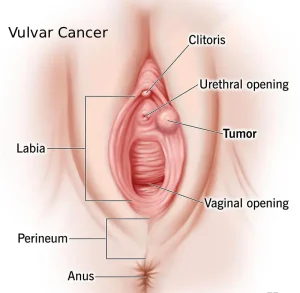
Vulvar cancer is a rare type of cancer that develops on the external female genitalia, particularly the vulva, which includes the labia, clitoris, and vaginal opening. Most cases occur in older women, but it can affect women of any age.
The disease often begins as abnormal growths or lesions on the vulva and can be associated with human papillomavirus (HPV) infection, chronic inflammation, or other underlying health conditions. Early detection and treatment significantly improve outcomes.
Symptoms
Symptoms of vulvar cancer may develop gradually and can include:
-
Persistent itching or irritation of the vulva
-
Visible lumps, sores, or thickened areas on the vulva
-
Pain or tenderness in the vulvar region
-
Changes in skin color or texture
-
Bleeding or discharge not related to menstruation
-
Painful urination or discomfort during sexual intercourse
-
Swelling of the vulva in some cases
Early-stage vulvar cancer may be asymptomatic, making routine examinations important.
Causes
The exact cause of vulvar cancer is not always known, but several factors contribute to its development:
-
Human papillomavirus (HPV) infection, particularly high-risk types
-
Chronic skin conditions such as lichen sclerosus
-
Age-related changes in vulvar tissue
-
Smoking, which can increase cancer risk
-
Immune system deficiencies
-
History of cervical or vaginal cancer
Genetic mutations in vulvar cells can also play a role in cancer development.
Risk Factors
Several factors increase the risk of vulvar cancer:
-
Age over 60 years
-
HPV infection
-
Smoking
-
Chronic vulvar irritation or inflammatory conditions
-
Weakened immune system
-
History of other gynecologic cancers
Complications
If untreated or diagnosed late, vulvar cancer can lead to serious complications:
-
Spread of cancer to nearby tissues, lymph nodes, or distant organs
-
Persistent pain, bleeding, or infection in the vulvar area
-
Sexual dysfunction or discomfort
-
Psychological and emotional distress
-
Surgical complications if extensive treatment is required
Early detection and treatment reduce the risk of spread and improve prognosis.
Prevention
Preventive measures can help reduce the risk of vulvar cancer:
-
HPV vaccination to protect against high-risk virus types
-
Avoiding smoking and tobacco use
-
Regular gynecological exams and vulvar self-examinations
-
Prompt evaluation of persistent itching, sores, or unusual changes in the vulva
-
Managing chronic vulvar skin conditions under medical supervision
-
Safe sexual practices to reduce HPV transmission
Early diagnosis and timely treatment, including surgery, radiation, or chemotherapy, can improve outcomes and quality of life for individuals with vulvar cancer.
Request an appointment
Advertisement
