
Overview
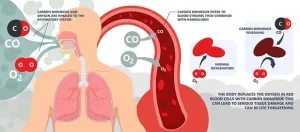
Carbon monoxide poisoning occurs when carbon monoxide gas builds up in the bloodstream, reducing the blood’s ability to carry oxygen throughout the body. Carbon monoxide is a colorless, odorless, and tasteless gas produced by the incomplete burning of fuels such as gas, wood, coal, or petrol. Exposure can happen in homes, vehicles, or enclosed spaces with poor ventilation. Carbon monoxide poisoning is a medical emergency and can be fatal if not recognized and treated promptly.
Symptoms
Symptoms of carbon monoxide poisoning can vary depending on the level and duration of exposure. Early symptoms may be mild and often mistaken for flu-like illness, while severe exposure can lead to life-threatening complications.
Common symptoms include:
-
Headache
-
Dizziness or lightheadedness
-
Nausea and vomiting
-
Fatigue or weakness
-
Shortness of breath
With higher exposure, symptoms may include:
-
Chest pain
-
Confusion or difficulty concentrating
-
Visual disturbances
-
Loss of coordination
-
Loss of consciousness
-
Seizures
Causes
Carbon monoxide poisoning is caused by inhaling carbon monoxide gas, which binds to hemoglobin more strongly than oxygen. This prevents oxygen delivery to tissues and organs.
Common sources include:
-
Faulty or poorly maintained gas appliances
-
Fuel-burning heaters or stoves used indoors
-
Blocked chimneys or flues
-
Running vehicles in enclosed or poorly ventilated areas
-
Portable generators or grills used inside homes or garages
Risk Factors
Certain situations and populations have a higher risk of carbon monoxide exposure and poisoning.
Key risk factors include:
-
Living in homes without carbon monoxide detectors
-
Poor ventilation in living or working spaces
-
Use of fuel-burning appliances
-
Power outages leading to indoor generator use
-
Sleeping during exposure, which delays symptom recognition
-
Infants, older adults, pregnant individuals, and people with heart or lung disease
Complications
Carbon monoxide poisoning can cause serious short-term and long-term complications, especially if exposure is prolonged or severe.
Possible complications include:
-
Heart damage or arrhythmias
-
Neurological problems such as memory loss or difficulty concentrating
-
Movement and balance disorders
-
Delayed neurological symptoms days to weeks after exposure
-
Coma
-
Death
Even individuals who recover may experience lasting health effects.
Prevention
Carbon monoxide poisoning is largely preventable through proper safety measures and awareness.
Effective prevention strategies include:
-
Installing carbon monoxide detectors on every level of the home
-
Regular maintenance of heating systems and fuel-burning appliances
-
Ensuring chimneys and vents are clear and functioning properly
-
Never using grills, generators, or fuel-burning devices indoors
-
Avoiding running vehicles in closed garages
-
Ensuring adequate ventilation in enclosed spaces
Prompt detection and preventive measures are essential to reducing the risk of carbon monoxide poisoning and protecting lives.
Advertisement
