
Overview
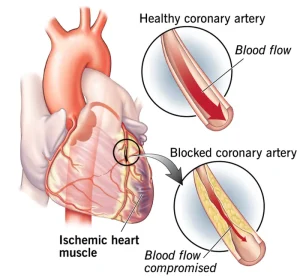
Myocardial ischemia is a condition in which blood flow to the heart muscle is reduced, usually due to narrowing or blockage of the coronary arteries. This reduced blood supply limits the amount of oxygen reaching the heart muscle, making it difficult for the heart to function properly.
Myocardial ischemia can occur temporarily during physical exertion or stress, or it can be persistent. If left untreated, it may lead to serious complications such as heart attack, heart failure, or abnormal heart rhythms.
Symptoms
Symptoms of myocardial ischemia vary from person to person. Some individuals may have no noticeable symptoms, a condition known as silent ischemia.
Common symptoms include:
-
Chest pain or pressure, often described as tightness or squeezing
-
Pain radiating to the arms, neck, jaw, shoulder, or back
-
Shortness of breath
-
Fatigue
-
Nausea or vomiting
-
Dizziness or lightheadedness
-
Sweating
Symptoms may worsen during physical activity or emotional stress and improve with rest.
Causes
Myocardial ischemia occurs when coronary arteries cannot supply enough blood to meet the heart’s oxygen demands.
Common causes include:
-
Coronary artery disease due to plaque buildup
-
Blood clots partially or completely blocking a coronary artery
-
Coronary artery spasm
-
Severe anemia reducing oxygen delivery
-
Low blood pressure that limits blood flow to the heart
In most cases, the underlying cause is atherosclerosis.
Risk Factors
Several factors increase the risk of developing myocardial ischemia.
Major risk factors include:
-
High blood pressure
-
High cholesterol levels
-
Smoking
-
Diabetes
-
Obesity
-
Physical inactivity
-
Family history of heart disease
-
Increasing age
-
Chronic stress
The presence of multiple risk factors significantly raises the likelihood of ischemic heart disease.
Complications
Without proper management, myocardial ischemia can result in serious and potentially life-threatening complications.
Possible complications include:
-
Heart attack
-
Heart failure
-
Abnormal heart rhythms
-
Sudden cardiac arrest
-
Reduced quality of life due to chronic chest pain
Early diagnosis and treatment are essential to prevent long-term heart damage.
Prevention
Myocardial ischemia can often be prevented or its progression slowed through lifestyle changes and medical care.
Preventive measures include:
-
Maintaining a heart-healthy diet
-
Engaging in regular physical activity
-
Quitting smoking
-
Managing blood pressure, cholesterol, and diabetes
-
Maintaining a healthy weight
-
Reducing stress
-
Following prescribed medications and medical advice
Regular health checkups and early attention to heart-related symptoms play a crucial role in preventing myocardial ischemia and its complications.
Advertisement
