
Overview
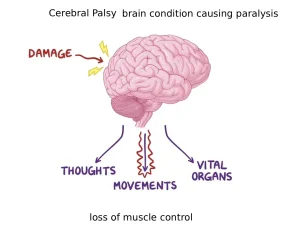
Cerebral palsy is a group of permanent neurological disorders that affect movement, muscle tone, posture, and coordination. It results from damage to the developing brain, most often occurring before birth, during delivery, or shortly after birth. The condition is non-progressive, meaning the brain injury does not worsen over time, but symptoms and functional limitations can change as a child grows. Cerebral palsy varies widely in severity and may affect one or multiple parts of the body.
Symptoms
Symptoms differ depending on the type and extent of brain injury and may appear in infancy or early childhood.
-
Delayed milestones such as rolling over, sitting, or walking
-
Abnormal muscle tone, including stiffness or floppiness
-
Poor coordination and balance
-
Involuntary or uncontrolled movements
-
Difficulty with fine motor skills, such as grasping objects
-
Speech and communication difficulties
-
Swallowing or feeding problems
-
Muscle weakness or paralysis in one or more limbs
Causes
Cerebral palsy is caused by abnormal brain development or damage to the developing brain that interferes with muscle control and movement.
-
Brain injury before birth due to infections, poor oxygen supply, or genetic factors
-
Complications during labor and delivery, such as lack of oxygen
-
Premature birth and low birth weight
-
Brain infections in infancy, including meningitis or encephalitis
-
Head injuries during early childhood
-
Severe untreated jaundice in newborns
Risk Factors
Certain conditions during pregnancy, birth, or early infancy increase the risk of cerebral palsy.
-
Premature birth
-
Low birth weight
-
Multiple pregnancies, such as twins or triplets
-
Maternal infections during pregnancy
-
Exposure to toxins or severe maternal illness
-
Complications during delivery
-
Lack of access to timely neonatal care
Complications
Cerebral palsy may be associated with a range of secondary health and developmental complications.
-
Intellectual disability
-
Seizure disorders
-
Vision or hearing impairments
-
Chronic pain or joint deformities
-
Difficulty with chewing, swallowing, or digestion
-
Respiratory problems
-
Behavioral or emotional challenges
Prevention
Not all cases of cerebral palsy can be prevented, but certain measures may reduce the risk.
-
Regular prenatal care and infection prevention during pregnancy
-
Proper management of maternal health conditions
-
Timely and skilled care during labor and delivery
-
Preventing premature birth when possible
-
Early treatment of newborn infections and jaundice
-
Protecting infants and young children from head injuries
Cerebral palsy requires lifelong management, and early diagnosis combined with supportive therapies can greatly improve functional abilities, independence, and overall quality of life.
Advertisement
