
Overview
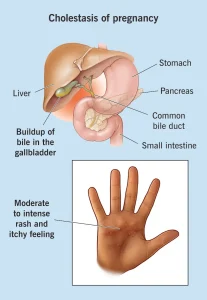
Cholestasis of pregnancy, also known as intrahepatic cholestasis of pregnancy, is a liver condition that occurs during pregnancy, typically in the third trimester. It is characterized by a reduction or stoppage of bile flow from the liver, leading to a buildup of bile acids in the bloodstream. While the condition usually resolves after delivery, it can pose risks to the developing baby if not properly monitored and managed.
Symptoms
Symptoms of cholestasis of pregnancy can range from mild to severe and often worsen at night.
Common symptoms include:
-
Intense itching, especially on the palms of the hands and soles of the feet
-
Itching without a visible rash
-
Dark-colored urine
-
Pale or clay-colored stools
-
Fatigue
Less common symptoms may include:
-
Nausea
-
Loss of appetite
-
Mild upper right abdominal pain
-
Yellowing of the skin or eyes in rare cases
Causes
The exact cause of cholestasis of pregnancy is not fully understood, but it is believed to involve a combination of hormonal, genetic, and environmental factors.
Key causes include:
-
Increased pregnancy hormones affecting bile flow
-
Genetic susceptibility affecting liver function
-
Impaired transport of bile acids from liver cells
These factors lead to the accumulation of bile acids in the blood.
Risk Factors
Certain factors increase the likelihood of developing cholestasis of pregnancy.
Key risk factors include:
-
Previous history of cholestasis of pregnancy
-
Family history of the condition
-
Multiple pregnancies, such as twins or triplets
-
History of liver disease
-
Advanced maternal age
The condition is more common in later stages of pregnancy.
Complications
Cholestasis of pregnancy can increase the risk of complications, particularly for the baby.
Possible complications include:
-
Preterm birth
-
Fetal distress
-
Meconium-stained amniotic fluid
-
Stillbirth in severe cases
For the mother, complications are usually mild and may include vitamin deficiencies due to impaired fat absorption.
Prevention
There is no guaranteed way to prevent cholestasis of pregnancy, but early recognition and medical care can reduce risks.
Preventive and management strategies include:
-
Regular prenatal checkups
-
Prompt reporting of persistent itching to a healthcare provider
-
Monitoring bile acid levels and liver function
-
Following prescribed treatments to control bile acid levels
-
Close fetal monitoring in later pregnancy
Early diagnosis and appropriate management help improve pregnancy outcomes and reduce the risk of serious complications.
Advertisement
