
Overview
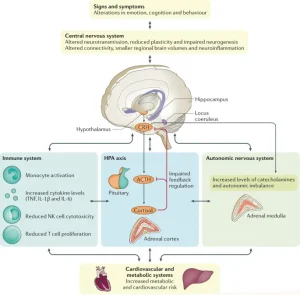
Depression, clinically known as Major Depressive Disorder, is a common and serious mental health condition characterized by persistent feelings of sadness, loss of interest, and emotional distress that interfere with daily functioning. It affects how a person thinks, feels, and behaves and can occur at any age. Depression is not a sign of weakness and often requires professional care for effective management.
Symptoms
Symptoms of major depressive disorder usually last for at least two weeks and may vary in severity:
-
Persistent low mood or sadness
-
Loss of interest or pleasure in previously enjoyed activities
-
Fatigue or low energy
-
Changes in appetite or weight
-
Sleep disturbances such as insomnia or excessive sleeping
-
Difficulty concentrating or making decisions
-
Feelings of worthlessness, guilt, or hopelessness
-
Physical symptoms such as headaches or body aches
-
Thoughts of death or suicide
Causes
Depression results from a combination of biological, psychological, and environmental factors:
-
Imbalance of brain chemicals involved in mood regulation
-
Genetic predisposition
-
Chronic stress or traumatic life events
-
Medical conditions such as chronic illness or hormonal disorders
-
Side effects of certain medications
-
Substance misuse or alcohol dependence
Risk Factors
Several factors may increase the risk of developing depression:
-
Family history of depressive disorders
-
Previous episodes of depression
-
Major life changes or ongoing stress
-
Chronic medical conditions
-
Social isolation or lack of support
-
Substance use disorders
-
Low self-esteem or negative thinking patterns
Complications
Untreated depression can lead to serious emotional, physical, and social consequences:
-
Decline in work or academic performance
-
Relationship difficulties
-
Increased risk of substance abuse
-
Development of anxiety disorders
-
Poor physical health outcomes
-
Self-harm or suicidal behavior
-
Reduced overall quality of life
Prevention
Although depression cannot always be prevented, certain strategies may reduce the risk or lessen severity:
-
Maintaining regular physical activity
-
Managing stress through healthy coping strategies
-
Building strong social connections
-
Seeking early support for emotional distress
-
Maintaining healthy sleep and nutrition habits
-
Avoiding excessive alcohol or drug use
-
Addressing mental health concerns promptly
Request an appointment
Advertisement
