
Overview
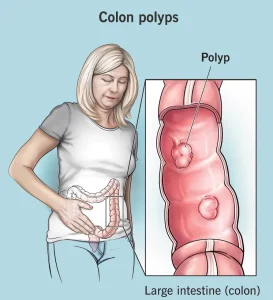
Colon polyps are growths that appear on the inner lining of the colon (large intestine). They are relatively common and can vary in size and shape. While most colon polyps are benign, some types, particularly adenomatous polyps, have the potential to develop into colon cancer over time if left untreated.
Polyps are often detected during routine screening procedures such as colonoscopy, which helps prevent progression to cancer. Early removal of polyps significantly reduces the risk of colorectal cancer.
Symptoms
Most colon polyps do not cause noticeable symptoms, especially when small. When symptoms occur, they may include:
-
Rectal bleeding or blood in the stool
-
Dark or tarry stools
-
Change in bowel habits, such as diarrhea or constipation
-
Abdominal pain or cramping (rare)
-
Iron deficiency anemia from chronic blood loss
Because symptoms are often absent, regular screening is important for early detection.
Causes
Colon polyps develop due to abnormal growth of cells in the colon lining. Genetic and environmental factors contribute to their formation.
Common causes include:
-
Genetic mutations in colon cells leading to uncontrolled growth
-
Chronic inflammation of the colon
-
Family history of polyps or colorectal cancer
-
Certain inherited syndromes, such as familial adenomatous polyposis or Lynch syndrome
Lifestyle factors may also contribute to polyp development.
Risk Factors
Several factors increase the likelihood of developing colon polyps:
-
Age over 50
-
Family history of colon polyps or colorectal cancer
-
Personal history of inflammatory bowel disease
-
Sedentary lifestyle
-
Diet high in red or processed meats and low in fiber
-
Obesity
-
Smoking and excessive alcohol consumption
-
Certain genetic conditions
Complications
If not detected and removed, colon polyps can lead to complications, including:
-
Increased risk of colorectal cancer, especially with adenomatous or serrated polyps
-
Bleeding leading to anemia
-
Intestinal obstruction (rare with large polyps)
Regular monitoring and removal of polyps reduce these risks.
Prevention
While not all colon polyps can be prevented, risk can be lowered through lifestyle and medical strategies:
-
Undergoing routine colonoscopy or other screening tests
-
Maintaining a high-fiber diet with fruits, vegetables, and whole grains
-
Limiting red and processed meats
-
Staying physically active
-
Maintaining a healthy weight
-
Avoiding tobacco and limiting alcohol intake
-
Managing chronic inflammatory bowel disease with medical guidance
Early detection and removal of polyps are key to preventing progression to colon cancer.
Request an appointment
Advertisement
