
Overview
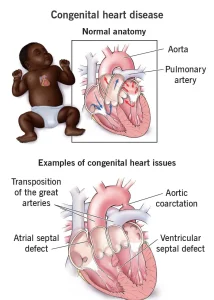
Congenital heart defects in children are structural problems of the heart that are present at birth. These defects occur when the heart or major blood vessels do not develop normally during fetal growth. Congenital heart defects range from simple conditions that may cause few or no symptoms to complex abnormalities that require early medical or surgical treatment. They are among the most common types of birth defects.
Symptoms
Symptoms of congenital heart defects vary depending on the type and severity of the defect. Some children show signs soon after birth, while others develop symptoms later in childhood. Common symptoms include:
-
Rapid or labored breathing
-
Bluish discoloration of the lips, skin, or nails
-
Poor feeding or difficulty gaining weight in infants
-
Fatigue during feeding or physical activity
-
Sweating, especially during feeding
-
Frequent respiratory infections
-
Delayed growth or development
Causes
The exact cause of most congenital heart defects is unknown. They occur during early pregnancy when the heart is forming. Genetic factors, chromosomal abnormalities, and environmental influences may contribute. In some cases, congenital heart defects are associated with other congenital or genetic conditions.
Risk Factors
Several factors increase the risk of congenital heart defects in children:
-
Family history of congenital heart defects
-
Genetic or chromosomal disorders such as Down syndrome
-
Maternal infections during pregnancy, including rubella
-
Poorly controlled maternal diabetes
-
Maternal smoking, alcohol use, or drug exposure
-
Certain medications taken during pregnancy
Complications
Complications depend on the severity and type of heart defect and may include:
-
Heart failure
-
Delayed growth and development
-
Heart rhythm abnormalities
-
Increased risk of infections, including endocarditis
-
Pulmonary hypertension
-
Reduced exercise tolerance
-
Need for multiple surgeries or lifelong medical care
Prevention
Not all congenital heart defects can be prevented, but certain steps may reduce the risk:
-
Early and regular prenatal care
-
Proper management of chronic health conditions during pregnancy
-
Avoidance of alcohol, tobacco, and harmful substances during pregnancy
-
Vaccination against infections such as rubella before pregnancy
-
Genetic counseling for families with a history of congenital heart defects
Advertisement
