
Overview
Sudden Infant Death Syndrome (SIDS) refers to the sudden and unexplained death of a seemingly healthy infant, usually during sleep and typically within the first year of life. It most commonly affects babies between 1 and 6 months of age. Despite thorough investigation, including autopsy and review of the infant’s medical history and sleep environment, the exact cause often remains unknown.
SIDS is sometimes referred to as crib death because it often occurs while the baby is sleeping in a crib. Researchers believe it may be related to a combination of physical and environmental factors that affect the infant’s ability to regulate breathing, heart rate, or wake from sleep.
Although the exact cause is not fully understood, awareness and safe sleep practices have significantly reduced the number of SIDS cases worldwide.
Symptoms
Sudden Infant Death Syndrome usually occurs without warning signs. Most infants appear healthy before the event and show no signs of distress.
Possible observations include:
-
Infant placed to sleep and later found unresponsive
-
No signs of struggle or crying before the event
-
Baby often found in the same sleep position as placed
Because SIDS occurs suddenly and silently, there are usually no detectable symptoms beforehand.
Causes
The exact cause of SIDS remains unknown, but it is believed to result from a combination of factors that affect the infant’s breathing, heart function, and sleep regulation.
Possible contributing causes include:
-
Immature development of the brain areas that control breathing and arousal from sleep
-
Problems with oxygen and carbon dioxide regulation
-
Sleeping position that affects breathing
-
Overheating during sleep
-
Unsafe sleep environment
These factors may interfere with an infant’s ability to respond to breathing difficulties during sleep.
Risk Factors
Certain factors may increase the risk of SIDS in infants.
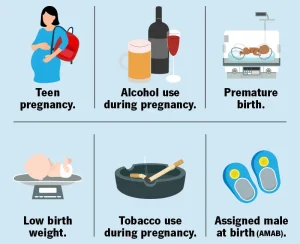
Risk factors include:
-
Sleeping on the stomach or side
-
Soft bedding, pillows, or stuffed toys in the crib
-
Premature birth or low birth weight
-
Exposure to cigarette smoke before or after birth
-
Sleeping on soft surfaces such as couches or adult beds
-
Overheating during sleep
-
Young maternal age
-
Lack of prenatal care
Male infants and babies between two and four months old may also have a slightly higher risk.
Complications
Sudden Infant Death Syndrome is fatal and does not produce long-term medical complications for the infant. However, it can have significant emotional and psychological effects on families.
Possible impacts include:
-
Severe emotional distress for parents and caregivers
-
Grief and trauma among family members
-
Anxiety in future pregnancies
Families often benefit from counseling and support services after such a loss.
Prevention
Although SIDS cannot always be prevented, certain safe sleep practices can significantly reduce the risk.
Recommended prevention measures include:
-
Always placing babies on their backs to sleep
-
Using a firm, flat mattress in a safety-approved crib
-
Keeping pillows, blankets, and stuffed toys out of the crib
-
Sharing a room with the baby but not the same bed
-
Avoiding overheating by dressing the baby appropriately for sleep
-
Avoiding exposure to cigarette smoke
-
Ensuring regular prenatal care during pregnancy
-
Breastfeeding when possible, as it may lower the risk
Following safe sleep guidelines and creating a safe sleep environment are the most effective ways to reduce the risk of SIDS.
Advertisement
