
Overview
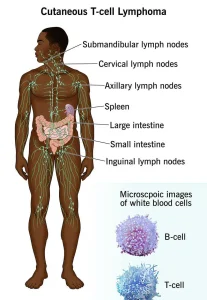
Cutaneous T-cell lymphoma is a rare type of non-Hodgkin lymphoma that primarily affects the skin. It develops when certain immune cells called T lymphocytes become cancerous and accumulate in the skin, leading to persistent skin symptoms. Cutaneous T-cell lymphoma usually progresses slowly and may remain limited to the skin for many years, though advanced stages can involve lymph nodes, blood, and internal organs. The most common forms are mycosis fungoides and Sézary syndrome.
Symptoms
Symptoms of cutaneous T-cell lymphoma often resemble common skin conditions, which can delay diagnosis.
Common symptoms include:
-
Persistent red, scaly, or itchy skin patches or plaques
-
Thickened skin lesions that may resemble eczema or psoriasis
-
Skin tumors in more advanced stages
-
Severe itching that may interfere with sleep
-
Changes in skin color or texture
-
Swollen lymph nodes in later stages
-
Hair loss or nail changes in some cases
Symptoms usually develop gradually and may worsen over time.
Causes
The exact cause of cutaneous T-cell lymphoma is not known. The condition occurs when T cells undergo genetic changes that cause uncontrolled growth.
Possible contributing factors include:
-
Acquired genetic mutations in T lymphocytes
-
Immune system dysfunction
-
Chronic immune stimulation
-
Environmental or occupational exposures, though no clear link has been proven
Cutaneous T-cell lymphoma is not contagious and is not typically inherited.
Risk factors
Certain factors may increase the risk of developing cutaneous T-cell lymphoma.
Risk factors include:
-
Age over 50
-
Male sex
-
Weakened immune system
-
Family history of lymphoma, though most cases are sporadic
-
Long-standing unexplained skin rashes
The condition affects people of all ethnic backgrounds.
Complications
As cutaneous T-cell lymphoma progresses, it can lead to significant complications.
Possible complications include:
-
Severe skin infections due to skin barrier damage
-
Chronic itching and skin discomfort
-
Spread of cancer cells to lymph nodes or internal organs
-
Blood involvement in advanced disease
-
Reduced quality of life due to persistent symptoms
Early diagnosis and ongoing management help limit disease progression.
Prevention
There is no known way to prevent cutaneous T-cell lymphoma, as its cause remains unclear.
General preventive considerations include:
-
Seeking medical evaluation for persistent or unexplained skin rashes
-
Regular dermatology follow-up for chronic skin conditions
-
Prompt treatment of skin infections
-
Ongoing monitoring for individuals diagnosed with early-stage disease
-
Adhering to treatment and follow-up plans recommended by healthcare providers
Early detection plays an important role in controlling symptoms and improving long-term outcomes.
Request an appointment
Advertisement
