
Overview
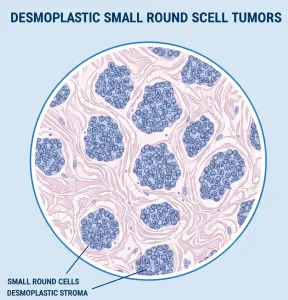
Desmoplastic Small Round Cell Tumors are rare, aggressive cancers that usually develop in the abdominal cavity and primarily affect adolescents and young adults. They arise from soft tissues and are characterized by small cancer cells surrounded by dense fibrous tissue. This condition is uncommon and often diagnosed at an advanced stage due to nonspecific early symptoms.
Symptoms
Symptoms depend on tumor location and extent and often progress over time:
-
Abdominal pain or discomfort
-
Abdominal swelling or bloating
-
Palpable abdominal mass
-
Nausea or vomiting
-
Changes in bowel habits
-
Unexplained weight loss
-
Fatigue or weakness
-
Shortness of breath if the chest is involved
Causes
The exact cause is related to specific genetic abnormalities:
-
Chromosomal translocation leading to abnormal gene fusion
-
Uncontrolled growth of immature cells
-
Sporadic genetic mutation not inherited
-
Abnormal cell signaling promoting tumor formation
Risk Factors
Several factors increase the likelihood of developing this condition:
-
Adolescence and young adulthood
-
Male sex
-
Certain genetic mutations
-
No known environmental risk factors
-
Delayed detection due to vague early symptoms
Complications
Desmoplastic small round cell tumors can lead to severe complications:
-
Rapid tumor growth and spread within the abdomen
-
Compression of organs such as intestines or liver
-
Bowel obstruction
-
Fluid accumulation in the abdomen
-
Poor response to treatment in advanced stages
-
Reduced survival rates
Prevention
There are currently no known methods to prevent desmoplastic small round cell tumors:
-
Awareness of persistent abdominal symptoms
-
Early medical evaluation for unexplained abdominal pain or swelling
-
Prompt diagnostic testing when symptoms persist
-
Regular follow-up during and after treatment
-
Supportive care to manage symptoms and complications
Advertisement
