
Overview
Type 1 diabetes is a chronic condition in which the body cannot produce enough insulin, a hormone that helps regulate blood sugar levels. Insulin allows glucose from the bloodstream to enter the body’s cells, where it is used for energy. In type 1 diabetes, the immune system mistakenly attacks and destroys the insulin-producing cells in the pancreas.
As a result, glucose builds up in the bloodstream instead of entering the cells, leading to high blood sugar levels. Type 1 diabetes usually develops during childhood or adolescence, but it can occur at any age. People with this condition require lifelong insulin therapy to control blood sugar levels and maintain overall health.
Although there is currently no cure for type 1 diabetes, careful management with insulin, healthy lifestyle choices, and regular monitoring can help individuals live active and healthy lives.
Symptoms
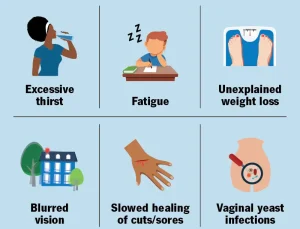
Symptoms of type 1 diabetes often develop quickly and may become severe if not treated promptly.
Common symptoms include:
-
Frequent urination
-
Increased thirst
-
Extreme hunger
-
Unexplained weight loss
-
Fatigue or weakness
-
Blurred vision
Other possible symptoms include:
-
Irritability or mood changes
-
Slow healing of cuts or infections
-
Nausea or vomiting in severe cases
If untreated, type 1 diabetes can lead to a serious complication called diabetic ketoacidosis, which requires immediate medical attention.
Causes
Type 1 diabetes occurs when the immune system mistakenly attacks the insulin-producing beta cells in the pancreas. This autoimmune reaction gradually destroys these cells, leaving the body unable to produce insulin.
The exact reason why the immune system begins this attack is not fully understood. Researchers believe the condition develops due to a combination of genetic and environmental factors.
Possible contributing factors include:
-
Genetic predisposition affecting immune function
-
Viral infections that may trigger an immune response
-
Environmental influences that affect the immune system
Once the insulin-producing cells are destroyed, the body cannot produce enough insulin to regulate blood sugar levels.
Risk factors
Several factors may increase the risk of developing type 1 diabetes.
-
Family history of the condition
-
Certain genetic markers related to immune system function
-
Age, particularly during childhood or adolescence
-
Exposure to certain environmental triggers
However, many people who develop type 1 diabetes do not have a clear family history.
Complications
If blood sugar levels are not properly controlled, type 1 diabetes can lead to several serious complications over time.
Possible complications include:
-
Heart and blood vessel disease
-
Nerve damage
-
Kidney disease
-
Eye damage that may affect vision
-
Foot problems due to poor circulation and nerve damage
Maintaining stable blood sugar levels can significantly reduce the risk of these complications.
Prevention
Currently, there is no known way to prevent type 1 diabetes because it results from an autoimmune reaction that destroys insulin-producing cells. However, early diagnosis and effective management can help prevent complications and maintain good health.
-
Regular monitoring of blood sugar levels
-
Lifelong insulin therapy as prescribed by a healthcare provider
-
Healthy eating habits to help control blood glucose
-
Regular physical activity
-
Routine medical checkups to monitor overall health
Education about diabetes management and consistent medical care play a key role in helping individuals maintain stable blood sugar levels and lead healthy lives.
Advertisement
