
Overview
Type 2 diabetes is a chronic condition that affects how the body processes glucose, the main source of energy for cells. In this condition, the body either becomes resistant to insulin or does not produce enough insulin to maintain normal blood sugar levels. Insulin is a hormone produced by the pancreas that helps glucose move from the bloodstream into the cells.
Type 2 diabetes is the most common form of diabetes and is often associated with lifestyle factors such as poor diet, physical inactivity, and excess body weight. The condition usually develops gradually and may not cause noticeable symptoms in the early stages.
Although type 2 diabetes is a lifelong condition, it can often be managed effectively through lifestyle changes, medications, and regular monitoring of blood sugar levels.
Symptoms
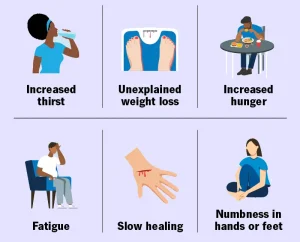
Symptoms of type 2 diabetes often develop slowly and may be mild at first.
Common symptoms include:
-
Frequent urination
-
Increased thirst
-
Increased hunger
-
Fatigue or weakness
-
Blurred vision
-
Slow healing of cuts or wounds
Other possible symptoms include:
-
Frequent infections, such as skin or urinary infections
-
Tingling or numbness in the hands or feet
-
Darkened skin patches, particularly around the neck or armpits
-
Unexplained weight changes
Some people may have type 2 diabetes for years without realizing it because symptoms can be subtle.
Causes
Type 2 diabetes develops when the body becomes resistant to insulin or when the pancreas cannot produce enough insulin to keep blood sugar levels within a normal range.
Normally, insulin helps glucose enter the body’s cells to provide energy. In type 2 diabetes, the cells do not respond properly to insulin, causing glucose to remain in the bloodstream. Over time, the pancreas may struggle to produce enough insulin to overcome this resistance.
The condition is often influenced by a combination of genetic and lifestyle factors.
Risk factors
Several factors increase the risk of developing type 2 diabetes.
-
Being overweight or obese
-
Lack of regular physical activity
-
Family history of diabetes
-
Age over 45 years
-
High blood pressure or abnormal cholesterol levels
-
History of gestational diabetes during pregnancy
Certain populations may also have a higher risk due to genetic and environmental influences.
Complications
If blood sugar levels remain uncontrolled, type 2 diabetes can lead to serious health complications over time.
Possible complications include:
-
Heart disease and stroke
-
Nerve damage
-
Kidney disease
-
Eye damage that may lead to vision loss
-
Foot problems caused by poor circulation and nerve damage
Proper management of blood sugar levels can greatly reduce the risk of these complications.
Prevention
Many cases of type 2 diabetes can be prevented or delayed through healthy lifestyle choices.
-
Maintain a healthy body weight
-
Engage in regular physical activity
-
Eat a balanced diet rich in fruits, vegetables, and whole grains
-
Limit consumption of sugary foods and processed carbohydrates
-
Monitor blood pressure and cholesterol levels
-
Attend regular health checkups, especially if at higher risk
Adopting healthy habits early can help reduce the risk of developing type 2 diabetes and improve overall health.
Request an appointment
Advertisement
