
Overview
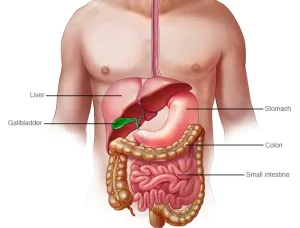
Traveler’s diarrhea is a common digestive problem that affects people traveling to regions where sanitation and food hygiene standards may differ from those at home. It usually occurs after consuming contaminated food or water containing bacteria, viruses, or parasites.
The condition typically begins suddenly and causes loose stools and abdominal discomfort. Although most cases are mild and resolve within a few days, traveler’s diarrhea can interfere with travel plans and may require medical treatment if symptoms become severe or persistent.
Symptoms
Symptoms of traveler’s diarrhea usually begin within a few hours to a few days after consuming contaminated food or water.
Common symptoms include:
-
Frequent loose or watery stools
-
Abdominal cramps or pain
-
Nausea
-
Vomiting
-
Bloating or gas
-
Fever in some cases
-
Urgent need to have a bowel movement
In more severe cases, stools may contain blood or mucus, and dehydration may develop.
Causes
Traveler’s diarrhea is most commonly caused by consuming food or drinks contaminated with harmful microorganisms. These pathogens enter the digestive system and disrupt normal intestinal function.
Common causes include:
-
Bacteria such as Escherichia coli (E. coli)
-
Viruses such as norovirus
-
Parasites such as Giardia or Entamoeba
Contamination often occurs through unsafe drinking water, improperly cooked food, raw fruits or vegetables, or food handled with poor hygiene.
Risk factors
Certain factors can increase the risk of developing traveler’s diarrhea during a trip.
These include:
-
Traveling to regions with limited sanitation infrastructure
-
Eating street food or undercooked meals
-
Drinking untreated tap water
-
Consuming raw or unwashed fruits and vegetables
-
Using ice made from contaminated water
Travelers visiting parts of Asia, Africa, the Middle East, and Latin America may face a higher risk due to differences in food safety practices.
Complications
Most cases of traveler’s diarrhea improve within a few days without serious problems. However, complications may occur, especially in young children, older adults, or people with weakened immune systems.
Possible complications include:
-
Dehydration from excessive fluid loss
-
Electrolyte imbalance
-
Persistent diarrhea lasting several weeks
-
Severe infection requiring medical treatment
Prompt fluid replacement is important to prevent dehydration.
Prevention
Preventing traveler’s diarrhea mainly involves practicing safe food and water habits while traveling.
Helpful preventive measures include:
-
Drink bottled or properly treated water
-
Avoid tap water and ice made from untreated water
-
Eat freshly cooked food that is served hot
-
Avoid raw or undercooked meat and seafood
-
Wash hands frequently with soap or use hand sanitizer
-
Choose fruits that can be peeled before eating
Being cautious about food and water sources can significantly reduce the risk of traveler’s diarrhea during travel.
Advertisement
