
Overview
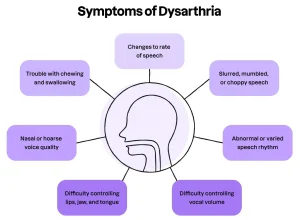
Dysarthria is a motor speech disorder caused by weakness, paralysis, or poor coordination of the muscles used for speaking. It affects the ability to articulate words clearly, resulting in slurred, slow, or difficult-to-understand speech. Dysarthria can range from mild to severe and is often associated with neurological conditions or injuries.
Symptoms
Symptoms depend on the underlying cause and the muscles involved:
-
Slurred or unclear speech
-
Slow or rapid speech rate
-
Mumbled or monotone speech
-
Difficulty pronouncing words
-
Weak or breathy voice
-
Nasal-sounding speech
-
Changes in speech rhythm
-
Difficulty controlling volume
-
Problems chewing or swallowing in severe cases
Causes
Dysarthria occurs when the nerves or muscles involved in speech are damaged:
-
Stroke
-
Traumatic brain injury
-
Parkinson’s disease
-
Multiple sclerosis
-
Amyotrophic lateral sclerosis
-
Brain tumors
-
Cerebral palsy
-
Infections affecting the nervous system
-
Side effects of certain medications
-
Alcohol or drug intoxication
Risk Factors
Several factors increase the risk of developing dysarthria:
-
Neurological disorders
-
History of stroke or brain injury
-
Degenerative diseases
-
Central nervous system infections
-
Long-term alcohol use
-
Exposure to toxins
-
Aging-related neurological changes
Complications
Dysarthria may lead to difficulties beyond speech:
-
Impaired communication
-
Social withdrawal
-
Emotional distress
-
Reduced quality of life
-
Difficulty swallowing leading to aspiration
-
Nutritional challenges
-
Misunderstanding in personal or professional settings
Prevention
While dysarthria itself cannot always be prevented, certain measures may reduce risk:
-
Managing stroke risk factors such as hypertension and diabetes
-
Wearing protective headgear to prevent brain injury
-
Limiting alcohol and substance use
-
Early treatment of neurological conditions
-
Regular medical checkups
-
Prompt evaluation of sudden speech changes
Advertisement
