
Overview
Painful Intercourse, medically known as dyspareunia, refers to persistent or recurrent pain that occurs before, during, or after sexual intercourse. This condition can affect women and men, although it is more commonly reported by women. The pain may occur in the genital area, pelvis, or deeper inside the body and can vary from mild discomfort to severe pain. Dyspareunia can have physical causes, emotional factors, or a combination of both. Identifying the underlying cause is important for proper treatment and improving quality of life and intimate relationships.
Symptoms
Symptoms of dyspareunia can vary depending on the underlying cause and the location of the pain. Common symptoms include:
-
Pain during penetration
-
Deep pelvic pain during thrusting
-
Burning, aching, or sharp pain during intercourse
-
Pain that continues after sexual activity
-
Tightness or muscle spasms in the vaginal area
-
Emotional distress or anxiety related to sexual activity
-
Decreased interest in sexual activity due to fear of pain
The pain may occur every time intercourse takes place or only in certain situations.
Causes
Dyspareunia can be caused by a variety of physical and psychological factors. Physical causes often involve conditions affecting the reproductive organs, hormonal changes, infections, or injuries.
Physical causes may include:
-
Vaginal dryness, often related to menopause, breastfeeding, or certain medications
-
Vaginal infections such as yeast infections or sexually transmitted infections
-
Skin disorders affecting the genital area
-
Endometriosis
-
Pelvic inflammatory disease
-
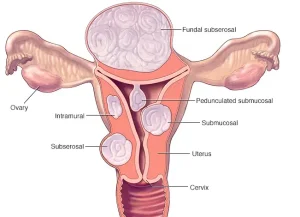
Uterine fibroids
-
Ovarian cysts
-
Injury or trauma to the genital area
-
Previous pelvic surgery or childbirth injuries
-
Inflammation or irritation of the vaginal tissues
Psychological causes may include:
-
Anxiety or stress
-
Relationship difficulties
-
Fear related to past sexual trauma
-
Depression
-
Lack of emotional intimacy
In many cases, both physical and emotional factors may contribute to the condition.
Risk Factors
Certain factors can increase the risk of experiencing painful intercourse.
-
Hormonal changes, especially during menopause
-
Vaginal dryness or reduced lubrication
-
Pelvic infections or sexually transmitted infections
-
Gynecological conditions such as endometriosis or fibroids
-
Previous pelvic or vaginal surgery
-
Childbirth injuries or scarring
-
Psychological stress or anxiety
-
History of sexual trauma
-
Certain medications that reduce natural lubrication
Complications
If dyspareunia is not addressed, it may lead to several complications affecting physical health and emotional well-being.
-
Ongoing discomfort or worsening pain during sexual activity
-
Reduced sexual desire or avoidance of intimacy
-
Relationship stress or conflict between partners
-
Emotional distress, anxiety, or depression
-
Difficulty conceiving if intercourse becomes infrequent or avoided
-
Reduced quality of life
Seeking medical evaluation can help identify the cause and improve treatment outcomes.
Prevention
While not all cases of dyspareunia can be prevented, several steps may help reduce the risk and support sexual health.
-
Use adequate lubrication during sexual activity if needed
-
Maintain good genital hygiene
-
Treat vaginal infections promptly
-
Communicate openly with partners about comfort and pain
-
Manage stress and emotional health
-
Attend regular medical and gynecological check-ups
-
Allow sufficient time for arousal before intercourse
-
Seek professional help if pain during intercourse persists
Early medical consultation can help diagnose underlying conditions and provide effective treatment options.
Advertisement
