
Overview
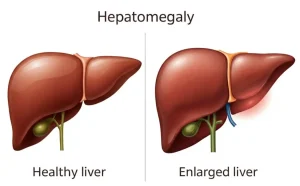
An enlarged liver, medically known as hepatomegaly, is a condition in which the liver becomes larger than its normal size. It is not a disease on its own but a sign of an underlying health problem affecting the liver or other organs. The liver plays a vital role in metabolism, detoxification, and digestion, so enlargement often indicates inflammation, congestion, or abnormal tissue growth. The severity and reversibility of hepatomegaly depend on the underlying cause.
Symptoms
Some people with an enlarged liver may not notice symptoms in the early stages. When symptoms are present, they may include:
-
Discomfort or pain in the upper right abdomen
-
Abdominal fullness or bloating
-
Fatigue and weakness
-
Loss of appetite
-
Nausea or vomiting
-
Unexplained weight loss
-
Yellowing of the skin or eyes in advanced cases
Persistent abdominal pain or jaundice requires prompt medical evaluation.
Causes
An enlarged liver can result from a wide range of conditions that affect liver function or blood flow. Common causes include:
-
Fatty liver disease related to obesity or alcohol use
-
Viral hepatitis infections
-
Liver cirrhosis or fibrosis
-
Congestive heart failure causing blood backup in the liver
-
Liver abscesses or infections
-
Cysts or benign liver tumors
-
Certain cancers that involve the liver
-
Metabolic or genetic disorders
Accurate diagnosis is essential to determine the specific cause.
Risk Factors
Several factors can increase the risk of developing an enlarged liver:
-
Excessive alcohol consumption
-
Obesity and poor dietary habits
-
Diabetes and insulin resistance
-
Chronic viral infections such as hepatitis B or C
-
Long-term use of certain medications or toxins
-
Family history of liver disease
Reducing modifiable risk factors helps protect liver health.
Complications
If the underlying cause is not treated, an enlarged liver can lead to serious complications:
-
Progressive liver damage and scarring
-
Liver failure in advanced stages
-
Portal hypertension and related bleeding
-
Increased risk of liver cancer
-
Worsening metabolic and digestive problems
Early detection can prevent long-term liver damage.
Prevention
Not all cases of an enlarged liver can be prevented, but the risk can be reduced through healthy lifestyle choices:
-
Limiting or avoiding alcohol intake
-
Maintaining a healthy body weight
-
Eating a balanced diet low in processed fats and sugars
-
Getting vaccinated against hepatitis when appropriate
-
Using medications responsibly and avoiding unnecessary toxins
-
Regular health screenings for early liver abnormalities
Protecting liver health through preventive care plays a key role in avoiding hepatomegaly and its complications.
Advertisement
