
Overview
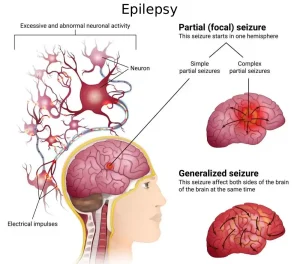
Epilepsy is a chronic neurological disorder characterized by recurrent, unprovoked seizures caused by abnormal electrical activity in the brain. Seizures can vary widely in type, frequency, and severity, ranging from brief lapses of awareness to prolonged convulsions. Epilepsy can affect people of all ages and may be lifelong or improve over time with proper treatment and management.
Symptoms
The primary symptom of epilepsy is repeated seizures, but seizure manifestations differ depending on the brain areas involved. Common symptoms include:
-
Temporary confusion or loss of awareness
-
Staring spells
-
Uncontrolled jerking movements of the arms or legs
-
Sudden collapse or loss of muscle tone
-
Sensory disturbances such as tingling, flashing lights, or unusual smells
-
Emotional changes such as fear or anxiety before a seizure
-
Fatigue or headache after a seizure
Seizure patterns are often similar for an individual but may vary between people.
Causes
In many cases, the exact cause of epilepsy is unknown. When identified, causes may include:
-
Genetic factors affecting brain activity
-
Brain injury from trauma or stroke
-
Infections of the brain such as meningitis or encephalitis
-
Developmental brain abnormalities
-
Brain tumors
-
Lack of oxygen during birth
Epilepsy may develop at any stage of life depending on the underlying cause.
Risk Factors
Several factors can increase the risk of developing epilepsy:
-
Family history of epilepsy
-
Head injuries or accidents
-
Stroke or other vascular brain diseases
-
Brain infections
-
Neurodevelopmental disorders
-
Age, with higher risk in early childhood and older adulthood
Understanding risk factors helps with early recognition and care.
Complications
If epilepsy is not well controlled, it can lead to complications:
-
Physical injuries from falls or accidents during seizures
-
Learning or memory difficulties
-
Mental health conditions such as anxiety or depression
-
Social and occupational limitations
-
Sudden unexpected death in epilepsy in rare cases
Consistent treatment reduces the risk of serious complications.
Prevention
Epilepsy cannot always be prevented, but certain measures may reduce risk or seizure frequency:
-
Preventing head injuries by using safety equipment
-
Managing chronic health conditions that affect the brain
-
Treating infections promptly
-
Adhering to prescribed anti-seizure medications
-
Avoiding known seizure triggers such as sleep deprivation or excessive alcohol
Early diagnosis, regular follow-up, and lifestyle management play an important role in controlling epilepsy and improving quality of life.
Advertisement
