
Overview
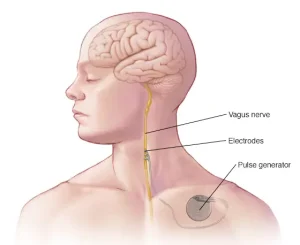
Frontal lobe seizures are a type of focal seizure that originate in the frontal lobes of the brain, which are responsible for movement, behavior, personality, and higher cognitive functions. These seizures are often brief and may occur in clusters, sometimes during sleep. Because symptoms can be unusual or dramatic, frontal lobe seizures may be mistaken for sleep disorders or behavioral conditions.
Symptoms
Symptoms of frontal lobe seizures vary depending on the specific area of the frontal lobe involved and may include:
-
Sudden jerking or stiffening of the arms or legs
-
Repetitive movements such as kicking, bicycling motions, or pelvic thrusting
-
Head or eye deviation to one side
-
Sudden vocalizations, shouting, or laughing
-
Brief loss of awareness or altered consciousness
-
Unusual behaviors or postures
-
Rapid recovery with little confusion afterward
Seizures often last less than a minute.
Causes
Frontal lobe seizures result from abnormal electrical activity in the frontal lobes. Possible causes include:
-
Brain injury or trauma
-
Brain tumors
-
Stroke
-
Brain infections
-
Congenital brain abnormalities
-
Genetic epilepsy syndromes
-
Scarring of brain tissue
In some cases, no clear cause is identified.
Risk Factors
Factors that may increase the risk of frontal lobe seizures include:
-
History of head injury
-
Previous stroke or brain infection
-
Family history of epilepsy
-
Developmental brain disorders
These factors may contribute to seizure development.
Complications
Frontal lobe seizures can lead to various complications:
-
Increased risk of injury during seizures
-
Sleep disturbances due to nighttime seizures
-
Emotional or behavioral challenges
-
Impact on work, school, or social activities
-
Progression to other seizure types in some cases
Appropriate treatment helps reduce seizure frequency and complications.
Prevention
Frontal lobe seizures cannot always be prevented, but risk can be reduced by managing underlying conditions:
-
Preventing head injuries through safety measures
-
Adhering to prescribed seizure medications
-
Avoiding known seizure triggers such as sleep deprivation
-
Managing stress effectively
-
Seeking regular medical follow-up
Early diagnosis and consistent treatment are key to controlling frontal lobe seizures and improving quality of life.
Advertisement
