
Overview
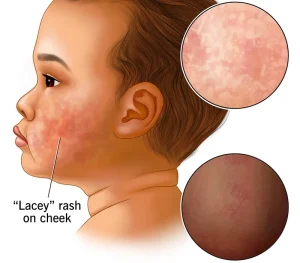
Parvovirus infection is a common viral illness caused by human parvovirus B19. It most often affects children but can also occur in adults. The infection is best known for causing a childhood illness called fifth disease, which is characterized by a distinctive facial rash that gives the appearance of “slapped cheeks.”
The virus spreads mainly through respiratory droplets when an infected person coughs or sneezes. In most healthy individuals, the infection is mild and resolves on its own without serious complications. However, it can be more serious for pregnant women, people with weakened immune systems, or individuals with certain blood disorders.
Symptoms
Symptoms of parvovirus infection can vary depending on the age and overall health of the person. Some people may have very mild symptoms or none at all.
Common symptoms in children include:
-
Bright red rash on the cheeks, often called a “slapped cheek” rash
-
Lacy or net-like rash on the arms, legs, or trunk
-
Mild fever
-
Runny nose
-
Headache
-
Fatigue
-
Mild itching
Symptoms that may occur in adults include:
-
Joint pain or swelling, especially in the hands, wrists, knees, or ankles
-
Stiffness in the joints
-
Fatigue
-
Mild fever
In some cases, the rash may appear after the initial flu-like symptoms have already started to improve.
Causes
Parvovirus infection is caused by human parvovirus B19, a virus that infects red blood cell precursors in the bone marrow. The virus spreads mainly through respiratory secretions when an infected person coughs, sneezes, or talks.
It can also spread through:
-
Close contact with an infected person
-
Blood or blood products
-
Transmission from a pregnant mother to her unborn baby
The virus is most contagious before the rash appears, which means people may spread the infection before they realize they are sick.
Risk Factors
Certain factors can increase the risk of developing parvovirus infection or experiencing complications.
These include:
-
Being a child, especially between the ages of 5 and 15
-
Working in schools, daycare centers, or healthcare settings
-
Having close contact with infected individuals
-
Pregnancy
-
Weakened immune system due to illness or medications
-
Blood disorders such as sickle cell disease or certain types of anemia
While many people become infected during childhood, adults who were not exposed earlier can also develop the infection.
Complications
Although parvovirus infection is usually mild, complications can occur in certain individuals.
Possible complications include:
-
Temporary drop in red blood cell production
-
Severe anemia, particularly in people with underlying blood disorders
-
Joint inflammation that may persist for weeks or months
-
Infection-related complications in people with weakened immune systems
-
Fetal complications during pregnancy, including fetal anemia or hydrops fetalis
Medical monitoring may be required for individuals at higher risk of complications.
Prevention
There is currently no vaccine available to prevent parvovirus infection. However, certain precautions may help reduce the risk of transmission.
Preventive measures include:
-
Washing hands frequently with soap and water
-
Avoiding close contact with people who are sick
-
Covering the mouth and nose when coughing or sneezing
-
Cleaning frequently touched surfaces
-
Following good hygiene practices in schools and daycare settings
Pregnant women and individuals with weakened immune systems should consult a healthcare provider if they believe they have been exposed to the virus.
Advertisement
