
Overview
Floor of the mouth cancer is a type of oral cancer that develops in the area beneath the tongue. It most often arises from the thin, flat cells lining the mouth and is commonly classified as squamous cell carcinoma. This cancer can affect speech, swallowing, and chewing, and may spread to nearby tissues or lymph nodes if not detected early. Early diagnosis improves treatment outcomes and survival rates.
Symptoms
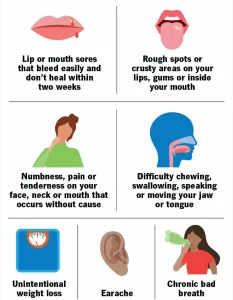
Symptoms of floor of the mouth cancer may develop gradually and can be mistaken for minor oral problems:
-
A sore or ulcer under the tongue that does not heal
-
Pain or tenderness in the mouth
-
A lump or thickened area beneath the tongue
-
Difficulty swallowing or chewing
-
Numbness of the tongue or mouth
-
Bleeding from the mouth
-
Changes in speech
-
Swelling in the neck due to lymph node involvement
Persistent symptoms should be evaluated promptly.
Causes
Floor of the mouth cancer develops due to genetic changes in oral cells, often triggered by long-term exposure to harmful substances. Common causes include:
-
Tobacco use in any form
-
Excessive alcohol consumption
-
Combined use of tobacco and alcohol
-
Poor oral hygiene
-
Chronic irritation of the oral tissues
-
Infection with human papillomavirus in some cases
These factors increase the likelihood of cellular damage over time.
Risk Factors
Several factors increase the risk of developing floor of the mouth cancer:
-
Tobacco smoking or chewing
-
Heavy alcohol use
-
Age over 40 years
-
Male sex
-
Poor nutrition
-
Weakened immune system
Reducing exposure to risk factors lowers overall risk.
Complications
If untreated or advanced, floor of the mouth cancer can lead to serious complications:
-
Spread to lymph nodes or other parts of the body
-
Difficulty speaking, eating, or swallowing
-
Chronic pain
-
Facial or jaw deformity
-
Weight loss and malnutrition
Early treatment helps prevent these complications.
Prevention
Preventive measures focus on reducing known risk factors and promoting oral health:
-
Avoiding tobacco products
-
Limiting alcohol consumption
-
Maintaining good oral hygiene
-
Eating a balanced, nutrient-rich diet
-
Regular dental checkups and oral screenings
-
Seeking evaluation for persistent mouth sores or lumps
Early detection and lifestyle changes play an important role in preventing floor of the mouth cancer.
Request an appointment
Advertisement
