
Overview
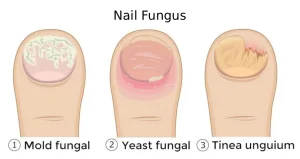
Nail fungus, also known as onychomycosis, is a common fungal infection that affects fingernails or toenails, most often the toenails. The infection occurs when fungi invade the nail through small cracks in the nail or surrounding skin. Nail fungus usually develops slowly and can cause changes in nail appearance, texture, and strength. While not usually serious, it can be persistent and difficult to treat without proper care.
Symptoms
Symptoms of nail fungus often begin mildly and worsen over time:
-
Thickened nails
-
Discoloration, such as white, yellow, brown, or green patches
-
Brittle, crumbly, or ragged nail edges
-
Distorted nail shape
-
Dull or opaque nail surface
-
Separation of the nail from the nail bed in advanced cases
-
Mild discomfort or pain when pressure is applied
The infection may affect one or multiple nails.
Causes
Nail fungus is caused by different types of fungi, most commonly dermatophytes, but yeasts and molds may also be involved. These organisms thrive in warm, moist environments. The infection can spread through direct contact with fungi or by touching contaminated surfaces such as floors, shoes, or nail care tools.
Risk Factors
Several factors increase the likelihood of developing nail fungus:
-
Older age
-
Excessive sweating
-
Walking barefoot in public areas such as pools or locker rooms
-
Wearing tight or non-breathable footwear
-
Nail injuries
-
Poor circulation
-
Diabetes or weakened immune system
-
History of athlete’s foot
The presence of multiple risk factors increases susceptibility.
Complications
If untreated, nail fungus may lead to complications:
-
Permanent nail damage or deformity
-
Pain or difficulty walking in severe toenail infections
-
Spread of infection to other nails or skin
-
Secondary bacterial infections, especially in people with diabetes
-
Reduced quality of life due to discomfort or cosmetic concerns
Early treatment helps prevent progression and recurrence.
Prevention
Nail fungus can often be prevented with good hygiene and nail care practices:
-
Keeping nails clean, dry, and trimmed
-
Wearing breathable footwear and moisture-wicking socks
-
Avoiding walking barefoot in public wet areas
-
Disinfecting nail clippers and grooming tools
-
Not sharing shoes, socks, or nail care items
-
Treating athlete’s foot promptly to prevent spread to the nails
Consistent preventive habits are key to reducing the risk of nail fungus and maintaining healthy nails.
Advertisement
