
Overview
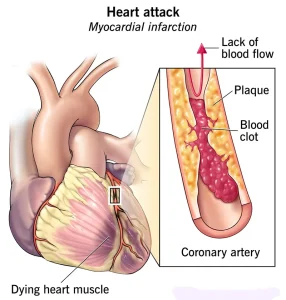
A heart attack, also known as myocardial infarction, occurs when blood flow to a part of the heart muscle is blocked for a prolonged period. This blockage is usually caused by a buildup of fat, cholesterol, and other substances that form a plaque in the coronary arteries. When a plaque ruptures, a blood clot can form and completely obstruct blood flow.
Without adequate oxygen-rich blood, the affected heart muscle begins to suffer damage and can die if treatment is delayed. A heart attack is a medical emergency that requires immediate care. Prompt treatment can significantly reduce heart damage and improve survival.
Symptoms
Heart attack symptoms can vary from person to person. Some people experience sudden and intense symptoms, while others have mild or gradual warning signs.
Common symptoms include:
-
Chest pain or discomfort, often described as pressure, tightness, squeezing, or fullness
-
Pain spreading to the shoulders, arms, neck, jaw, or back
-
Shortness of breath
-
Cold sweat
-
Nausea or vomiting
-
Lightheadedness or dizziness
-
Extreme fatigue
Women, older adults, and people with diabetes may experience atypical symptoms such as shortness of breath, nausea, or back or jaw pain without obvious chest discomfort.
Causes
A heart attack occurs when one or more coronary arteries become blocked, preventing blood from reaching the heart muscle.
Common causes include:
-
Coronary artery disease due to plaque buildup
-
Rupture of an atherosclerotic plaque leading to blood clot formation
-
Coronary artery spasm that temporarily blocks blood flow
-
Reduced oxygen supply due to severe anemia or low blood pressure, in rare cases
Most heart attacks are linked to long-standing coronary artery disease.
Risk factors
Several factors increase the likelihood of having a heart attack:
-
Increasing age
-
Male sex, though women’s risk increases after menopause
-
Family history of heart disease
-
Smoking or exposure to secondhand smoke
-
High blood pressure
-
High cholesterol levels
-
Diabetes
-
Obesity
-
Physical inactivity
-
Chronic stress
-
Unhealthy diet high in saturated fats and sugar
Having multiple risk factors greatly raises the risk of a heart attack.
Complications
A heart attack can cause short-term or long-term complications, depending on the extent of heart damage.
Possible complications include:
-
Heart arrhythmias
-
Heart failure
-
Cardiogenic shock
-
Rupture of heart structures
-
Formation of blood clots leading to stroke
-
Sudden cardiac arrest
Early treatment and proper follow-up care help reduce the risk of serious complications.
Prevention
Many heart attacks can be prevented by adopting healthy lifestyle habits and managing medical conditions effectively.
Preventive strategies include:
-
Eating a balanced diet rich in fruits, vegetables, whole grains, and lean proteins
-
Maintaining a healthy body weight
-
Engaging in regular physical activity
-
Quitting smoking and avoiding tobacco exposure
-
Limiting alcohol consumption
-
Managing blood pressure, cholesterol, and diabetes
-
Reducing stress through relaxation and lifestyle changes
-
Taking prescribed medications consistently
-
Attending regular health checkups
Making heart-healthy choices plays a crucial role in lowering the risk of heart attack and improving overall cardiovascular health.
Advertisement
