
Overview
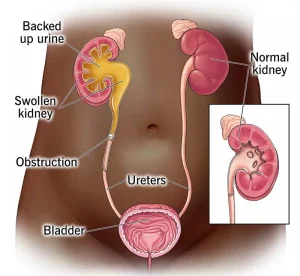
Hydronephrosis is a condition in which one or both kidneys become swollen due to a buildup of urine. This happens when urine cannot drain properly from the kidney to the bladder, causing pressure to increase inside the kidney. Over time, this pressure can damage kidney tissues and reduce kidney function.
Hydronephrosis can affect people of all ages, including infants, children, and adults. It may develop suddenly or progress slowly, depending on the underlying cause. Early diagnosis and treatment are important to prevent permanent kidney damage.
Symptoms
Symptoms of hydronephrosis vary depending on the cause, severity, and whether one or both kidneys are affected.
Common symptoms include:
-
Pain in the side, back, or lower abdomen
-
Pain that may come and go or be severe
-
Nausea and vomiting
-
Frequent urination or urgent need to urinate
-
Pain or burning during urination
-
Decreased urine output
In infants and young children, symptoms may include:
-
Irritability
-
Poor feeding
-
Vomiting
-
Failure to gain weight
Mild cases may cause no noticeable symptoms and are sometimes found during imaging tests done for other reasons.
Causes
Hydronephrosis occurs when urine flow is blocked or slowed at any point in the urinary tract.
Common causes include:
-
Kidney stones blocking the ureter
-
Enlarged prostate in men
-
Urinary tract infections causing swelling or scarring
-
Congenital narrowing of the ureter or ureteropelvic junction
-
Blood clots or tumors pressing on the urinary tract
-
Pregnancy-related pressure on the ureters
-
Nerve or muscle problems affecting bladder emptying
The cause may be temporary or ongoing, influencing how quickly kidney damage develops.
Risk factors
Several factors can increase the risk of developing hydronephrosis.
Risk factors include:
-
History of kidney stones
-
Recurrent urinary tract infections
-
Enlarged prostate
-
Pregnancy
-
Congenital urinary tract abnormalities
-
Tumors affecting the urinary system
-
Neurological conditions affecting bladder control
People with these risk factors may need closer monitoring for urinary problems.
Complications
If hydronephrosis is not treated, it can lead to serious complications.
Possible complications include:
-
Permanent kidney damage
-
Reduced kidney function or kidney failure
-
Recurrent urinary tract infections
-
High blood pressure related to kidney disease
-
Sepsis in severe cases with infection
The risk of complications increases the longer urine flow remains obstructed.
Prevention
Hydronephrosis cannot always be prevented, but certain steps may help reduce the risk or allow for early detection.
Preventive measures include:
-
Drinking enough fluids to support healthy urine flow
-
Prompt treatment of urinary tract infections
-
Managing conditions such as kidney stones or prostate enlargement
-
Regular prenatal checkups to detect urinary tract issues in infants
-
Seeking medical care for persistent urinary symptoms or pain
Early treatment of the underlying cause can help protect kidney function and improve outcomes.
Advertisement
