
Overview
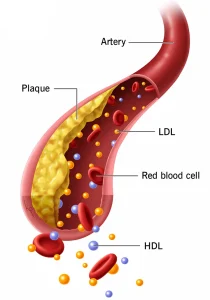
High Cholesterol is a condition in which there are elevated levels of cholesterol in the blood. Cholesterol is a waxy, fat-like substance that is essential for building healthy cells, producing hormones, and supporting digestion. However, when cholesterol levels become too high, it can increase the risk of heart disease and stroke.
Cholesterol travels through the bloodstream in two main forms:
-
Low-density lipoprotein (LDL), often called “bad” cholesterol
-
High-density lipoprotein (HDL), often called “good” cholesterol
High levels of LDL cholesterol can lead to plaque buildup in the arteries, a process known as atherosclerosis. This narrows and hardens the arteries, reducing blood flow to vital organs. High cholesterol typically develops silently and may go unnoticed until serious complications occur.
Regular blood tests are necessary to detect abnormal cholesterol levels.
Symptoms
High cholesterol usually does not cause symptoms. Most people are unaware they have it until a blood test reveals elevated levels.
In advanced cases, symptoms may appear due to complications such as:
-
Chest pain caused by reduced blood flow to the heart
-
Shortness of breath
-
Stroke symptoms such as weakness or difficulty speaking
Some individuals with inherited forms of high cholesterol may develop visible signs such as:
-
Yellowish deposits of cholesterol under the skin (xanthomas)
-
Fatty deposits around the eyelids (xanthelasma)
-
A grayish-white ring around the cornea (corneal arcus)
Because high cholesterol is typically symptom-free, routine screening is essential for early detection.
Causes
High cholesterol can result from a combination of lifestyle factors and genetics.
Common causes include:
-
Diet high in saturated and trans fats
-
Lack of physical activity
-
Overweight or obesity
-
Smoking
-
Excess alcohol consumption
-
Certain medical conditions such as diabetes or hypothyroidism
Familial hypercholesterolemia is a genetic disorder that causes very high cholesterol levels from a young age.
The liver produces cholesterol naturally, but excessive intake of unhealthy fats can increase LDL levels beyond healthy limits.
Risk Factors
Several factors increase the likelihood of developing high cholesterol:
-
Age over 40 years
-
Family history of high cholesterol or heart disease
-
Poor diet
-
Physical inactivity
-
Obesity
-
Smoking
-
High blood pressure
-
Diabetes
-
Chronic kidney disease
Men are generally at higher risk at a younger age, while women’s risk increases after menopause.
Complications
If left untreated, high cholesterol can lead to serious health problems.
Potential complications include:
-
Coronary artery disease
-
Heart attack
-
Stroke
-
Peripheral artery disease
-
Carotid artery disease
Plaque buildup in the arteries reduces blood flow and can result in sudden, life-threatening events.
Prevention
High cholesterol can often be prevented or controlled through healthy lifestyle changes.
Preventive measures include:
-
Eating a heart-healthy diet rich in fruits, vegetables, whole grains, and lean proteins
-
Limiting saturated and trans fats
-
Exercising regularly
-
Maintaining a healthy weight
-
Quitting smoking
-
Limiting alcohol intake
-
Managing stress
-
Monitoring cholesterol levels through regular checkups
In some cases, medications such as statins may be prescribed to help lower cholesterol levels. Early intervention and consistent management can significantly reduce the risk of cardiovascular disease.
Advertisement
