
Overview
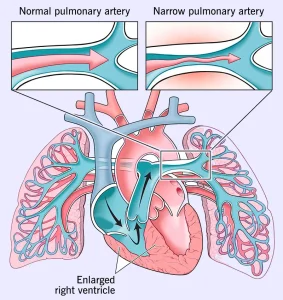
Pulmonary Hypertension is a condition characterized by high blood pressure in the arteries that carry blood from the heart to the lungs. These arteries become narrowed, blocked, or damaged, making it harder for blood to flow through them. As a result, the right side of the heart must work harder to pump blood into the lungs.
Over time, this increased strain can weaken the heart and lead to serious health problems. Pulmonary hypertension can develop on its own or as a result of other heart, lung, or systemic diseases. Although it is a serious condition, early diagnosis and proper treatment can help manage symptoms and slow its progression.
Symptoms
Symptoms of pulmonary hypertension often develop gradually and may worsen as the condition progresses.
Common symptoms include:
-
Shortness of breath, especially during physical activity
-
Fatigue or weakness
-
Chest pain or pressure
-
Dizziness or fainting spells
-
Rapid or irregular heartbeat
-
Swelling in the ankles, legs, or abdomen
-
Bluish color of the lips or skin due to low oxygen levels
In early stages, symptoms may be mild and easily mistaken for other health conditions.
Causes
Pulmonary hypertension occurs when the arteries in the lungs become narrowed or damaged, which increases resistance to blood flow. Several underlying conditions can lead to this problem.
Common causes include:
-
Diseases affecting the left side of the heart
-
Chronic lung diseases such as chronic obstructive pulmonary disease
-
Blood clots in the lungs
-
Connective tissue disorders
-
Congenital heart defects
-
Liver disease or certain infections
In some cases, the exact cause cannot be identified, and the condition is classified as idiopathic pulmonary hypertension.
Risk Factors
Several factors may increase the likelihood of developing pulmonary hypertension.
These include:
-
Family history of pulmonary hypertension
-
Heart or lung diseases
-
Obesity
-
Smoking
-
Living at high altitudes
-
Use of certain medications or drugs
Age and certain chronic health conditions may also increase the risk.
Complications
If pulmonary hypertension is not properly managed, it can lead to serious complications.
Possible complications include:
-
Enlargement and weakening of the right side of the heart
-
Heart failure
-
Blood clots in the lungs
-
Irregular heart rhythms
-
Fluid buildup in the body
-
Reduced oxygen supply to tissues
These complications can significantly affect overall health and quality of life.
Prevention
Pulmonary hypertension cannot always be prevented, especially when it is caused by genetic factors or congenital heart problems. However, certain steps may help reduce the risk or prevent worsening of the condition.
Helpful preventive measures include:
-
Managing underlying heart or lung diseases
-
Avoiding smoking and exposure to secondhand smoke
-
Maintaining a healthy weight
-
Staying physically active as recommended by a healthcare provider
-
Attending regular medical checkups
Early detection and proper treatment of underlying conditions can help reduce the risk of developing pulmonary hypertension or slow its progression.
Advertisement
